6 B2B Marketing automation tools and how they work together
Author:
Karina
Published:
Feb 24, 2026
Updated:
Mar 4, 2026
Reading Time:
10min
- Apollo.io
- Snov.io
- PhantomBuster
- beehiiv
- HubSpot
- Salesforce
- Bottom line: How to use these tools effectively
Let's start with what a B2B marketing automation platform is. Simply put, it's a platform that can help you streamline and automate processes like outreach campaigns and email campaigns, organize account-based marketing, and make it easier for you to navigate this environment.
Do they still matter in 2026? AI can now do many things that it couldn't do one or two years ago, but it still can't replace the high-quality contact collection, sequence automation, and CRM features. So if you want to succeed with B2B campaigns, these tools are still a must. That's why I put together an overview of 6 marketing automation tools worth knowing about.
I want to break down these B2B marketing automation platforms into three main categories: B2B lead generation and outreach automation, email marketing automation, and general sales and marketing automation.
I will start with the B2B lead generation and outreach automation category. There will be three platforms in this category: Apollo.io, Snov.io, and PhantomBuster. I wrote the whole article where I compared Apollo.io and Snov.io, so you could pick what fits you the most.
Email marketing automation will include beehiiv. The general sales and marketing automation software category will hold HubSpot and Salesforce. HubSpot could be included in both email marketing and general marketing campaigns, but for the sake of this article, I think it'll be easier to differentiate it like this.
In this article, I want to give you a quick overview of all these marketing tools and show how they can coexist.
Apollo.io
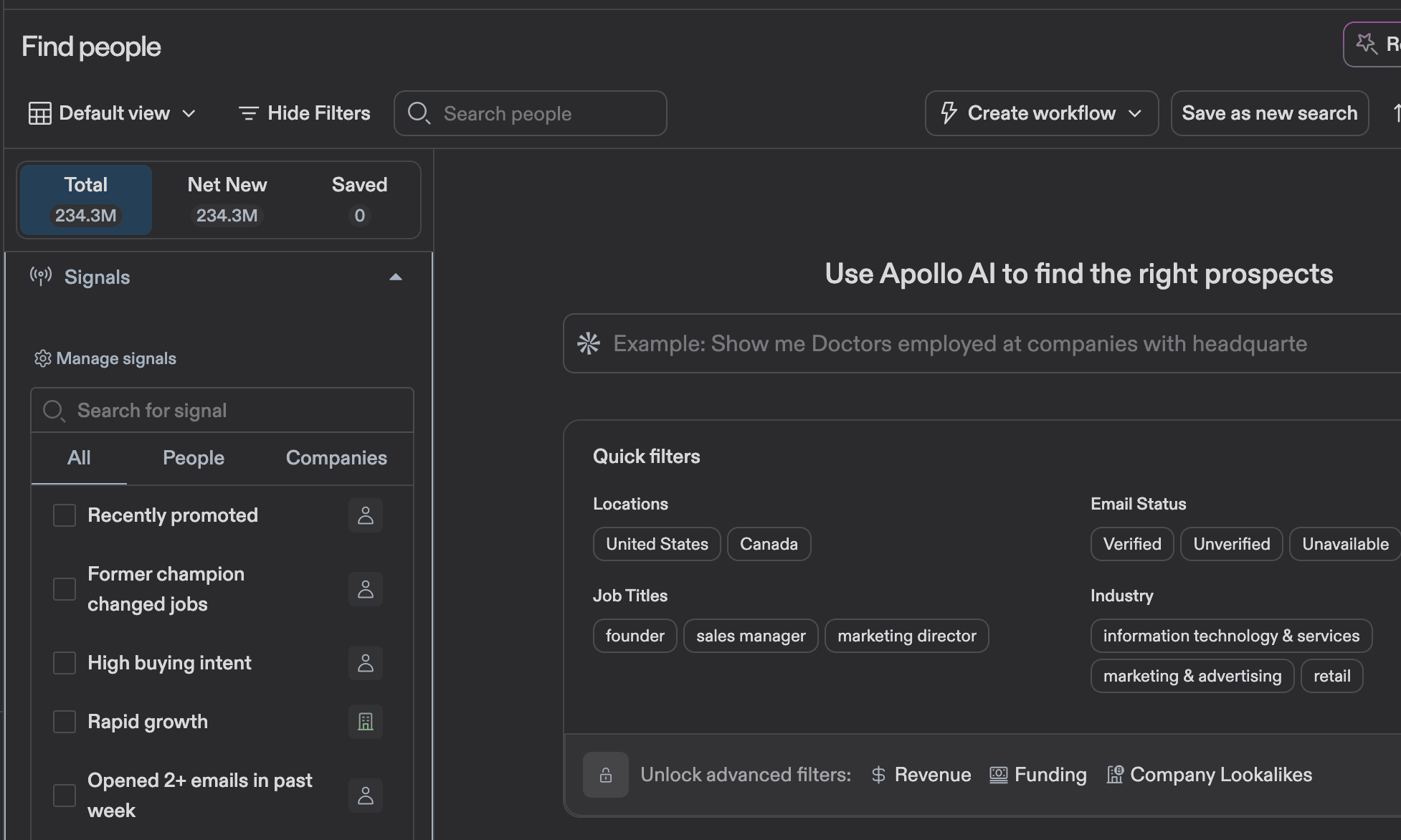
Apollo.io is a sales intelligence platform that can help you to find, filter, collect, and reach B2B leads. You can also track deals, have calls, and check website visitors inside this platform.
What is great about Apollo.io is that it has more than 234M validated contacts and some advanced filters to make the most out of your search (recent promotions, buying intent, B2B/B2C segment filtering, and others).
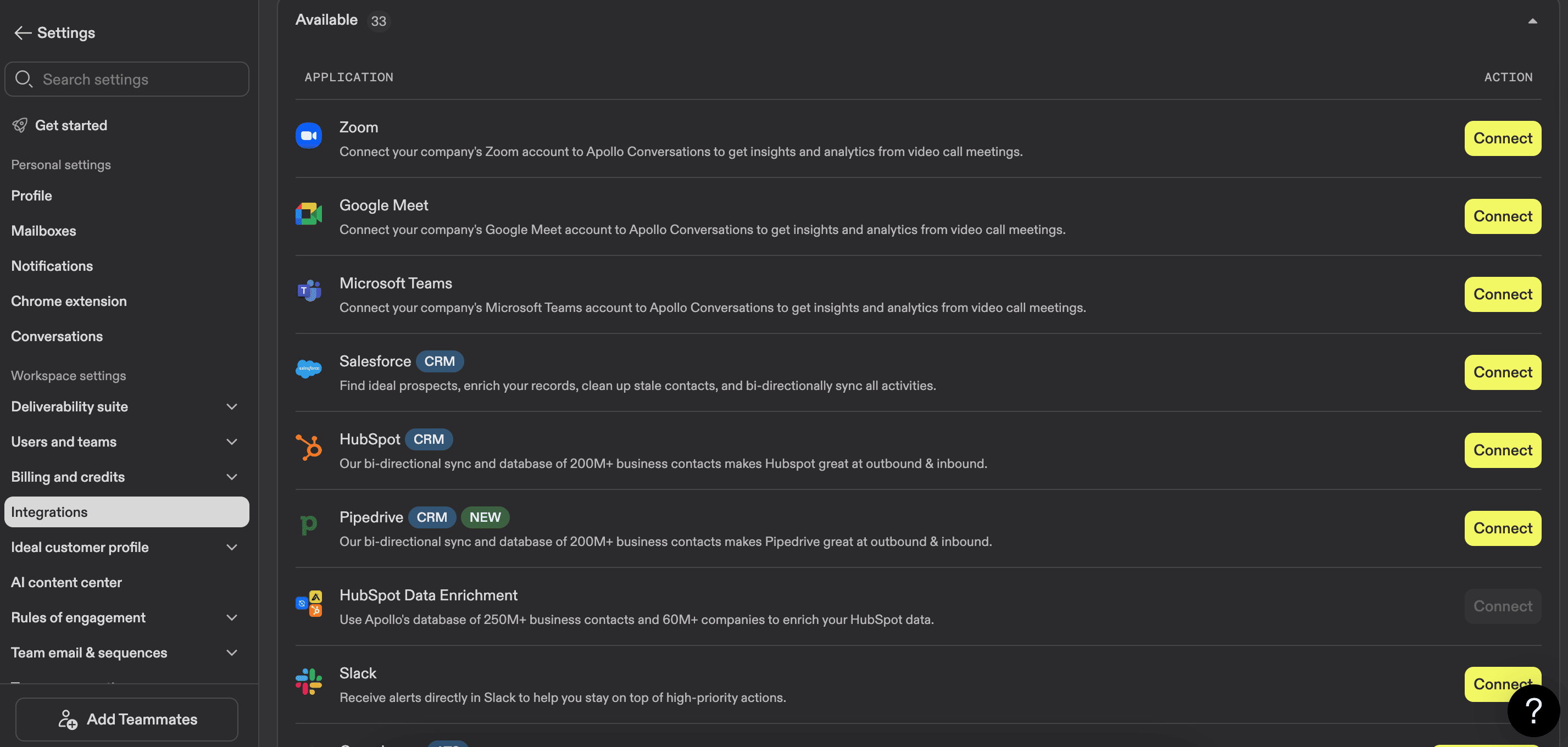
The platform has an integrated sequence builder and automation features that are easy to set up and run. I still think you should monitor the whole process to check if your contact data is being pulled in correctly.
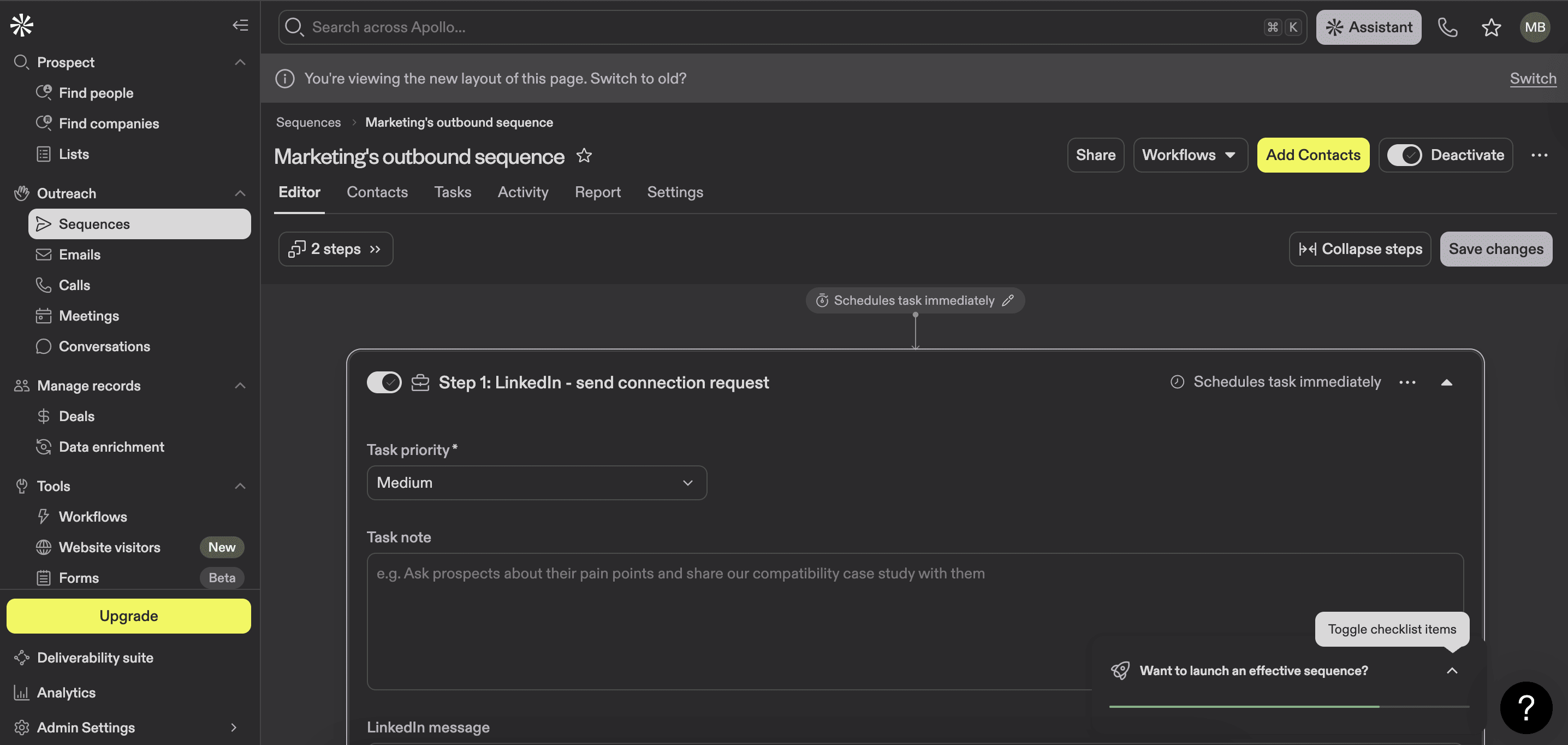
In my opinion, this platform also stands out because it has 33 integrations with the most commonly used platforms. If you are a mid-size or large company, it can make a significant difference.
The feature that I personally love is their Chrome extension that can collect information about the company almost instantly. It is available even in a free version and can be beneficial for competitors’ research.
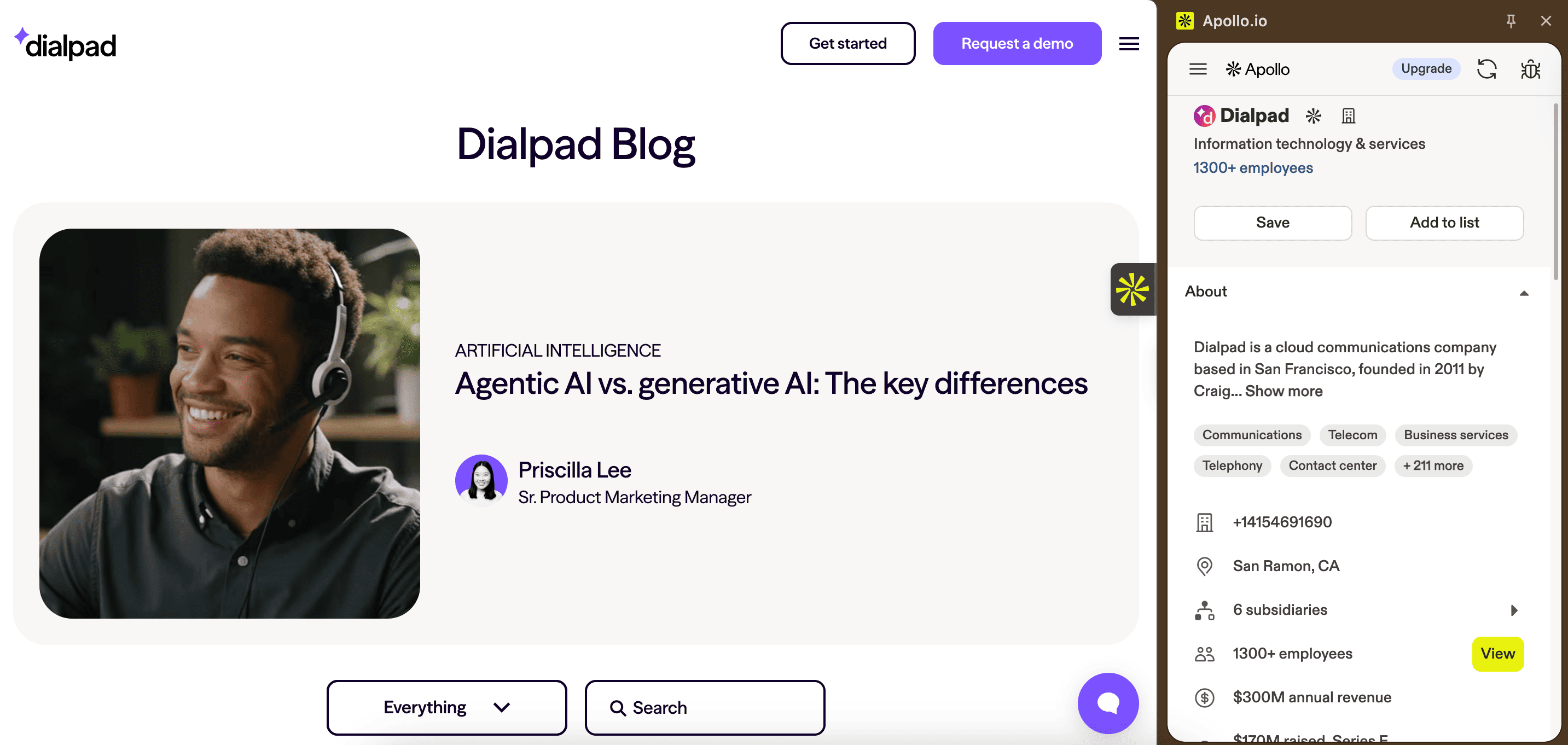
Apollo.io is more about finding the right people at the right moment due to its intent filters and website visitor tracking. It is suitable for bigger companies that plan to scale their efforts and involve multiple teams in the process (sales, marketing, etc.).
Price:
Basic: $59/m
Professional: $99/m
Organization: $149/m
Snov.io
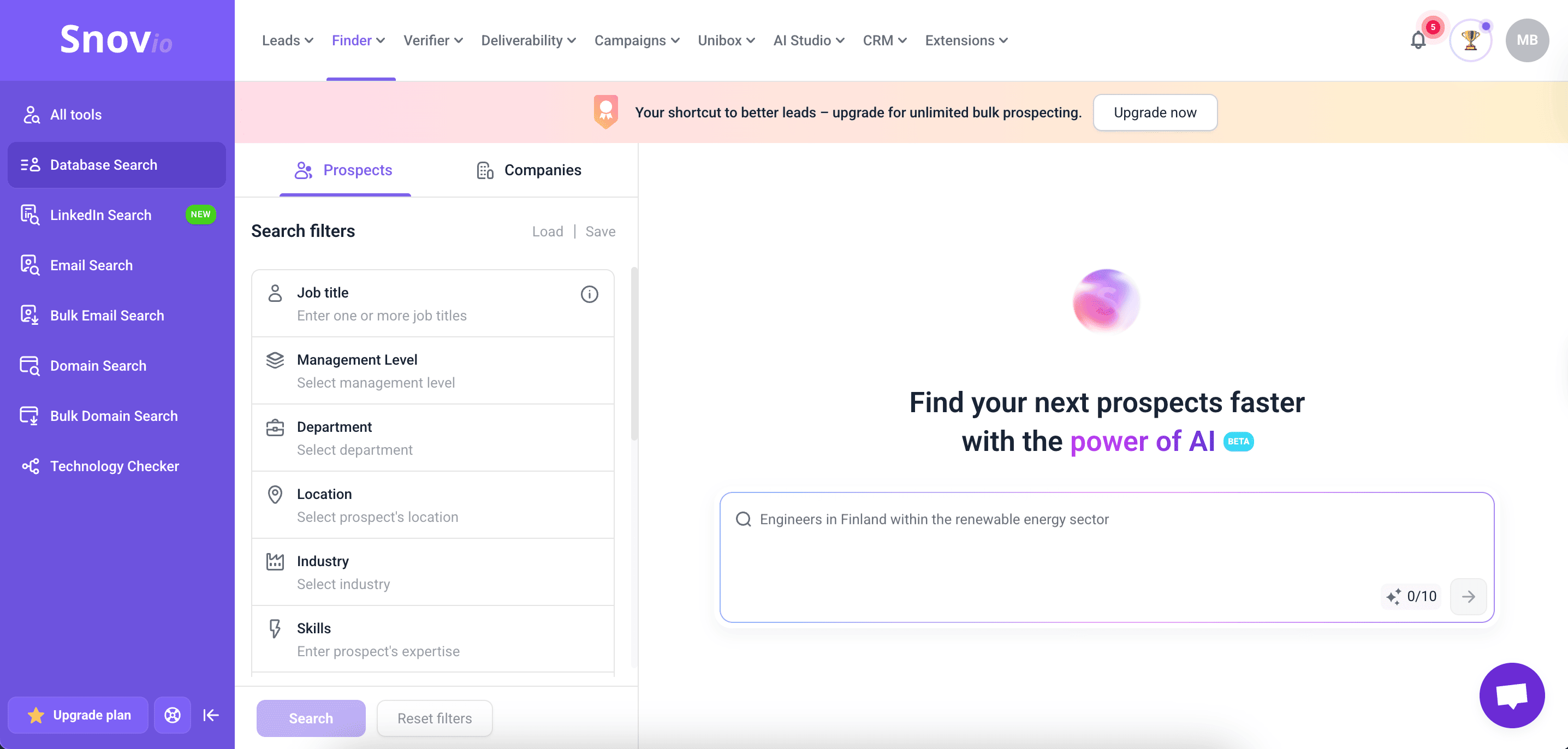
Snov.io is an all-in-one tool for finding, verifying, and reaching B2B leads. I’d say it’s a better fit for smaller teams who want everything covered without spending a big budget.
The platform also offers more search types compared to Apollo.io: by prospect, company, LinkedIn profile, email, and domain. That unlocks more entry points and might be truly helpful for companies that need to widen their search.
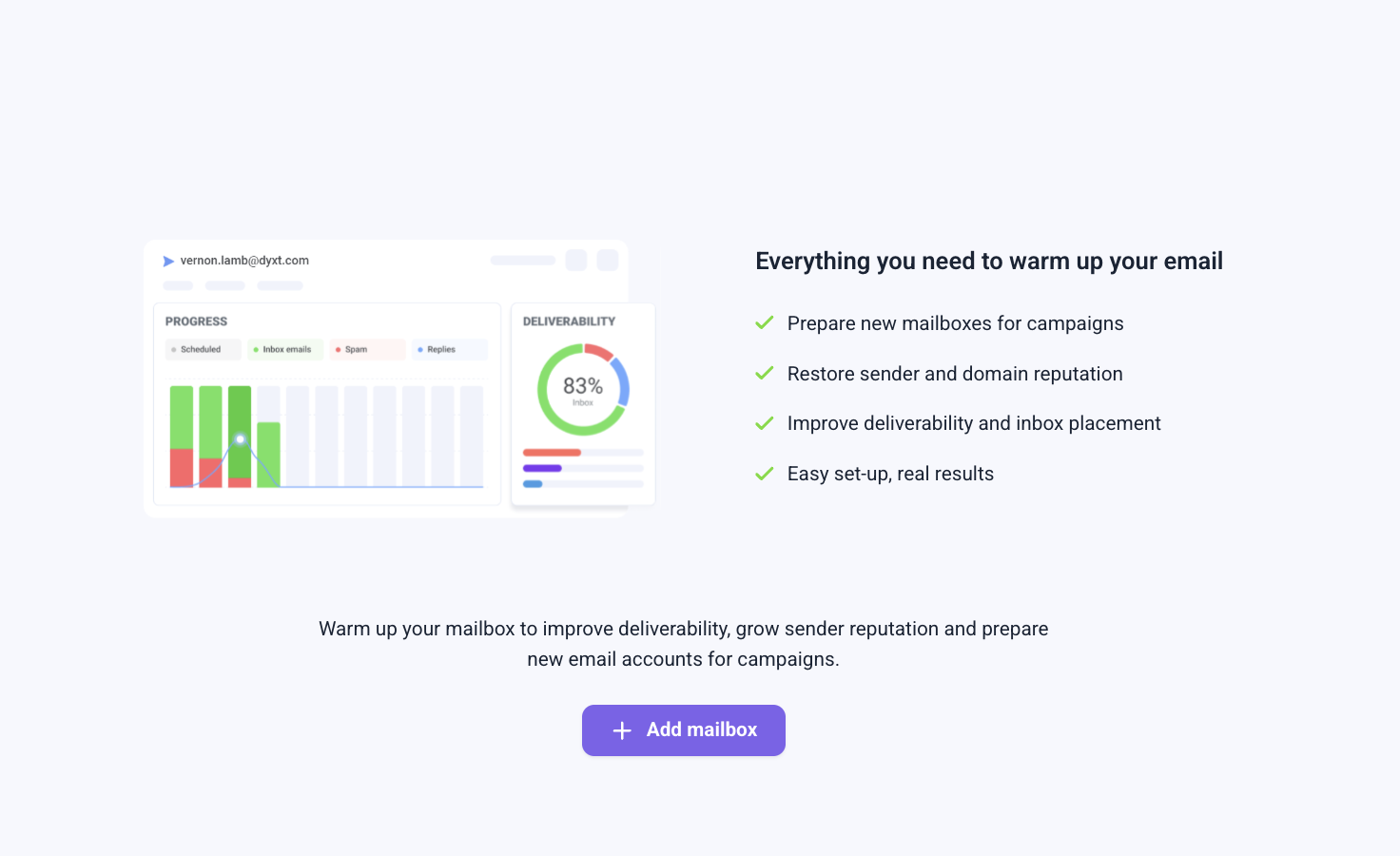
Another useful feature that is crucial for companies that are just starting out is email warm-up. Before you send a single cold email, your domain reputation determines whether it lands in the inbox or spam. The email warm-up feature solves exactly that.
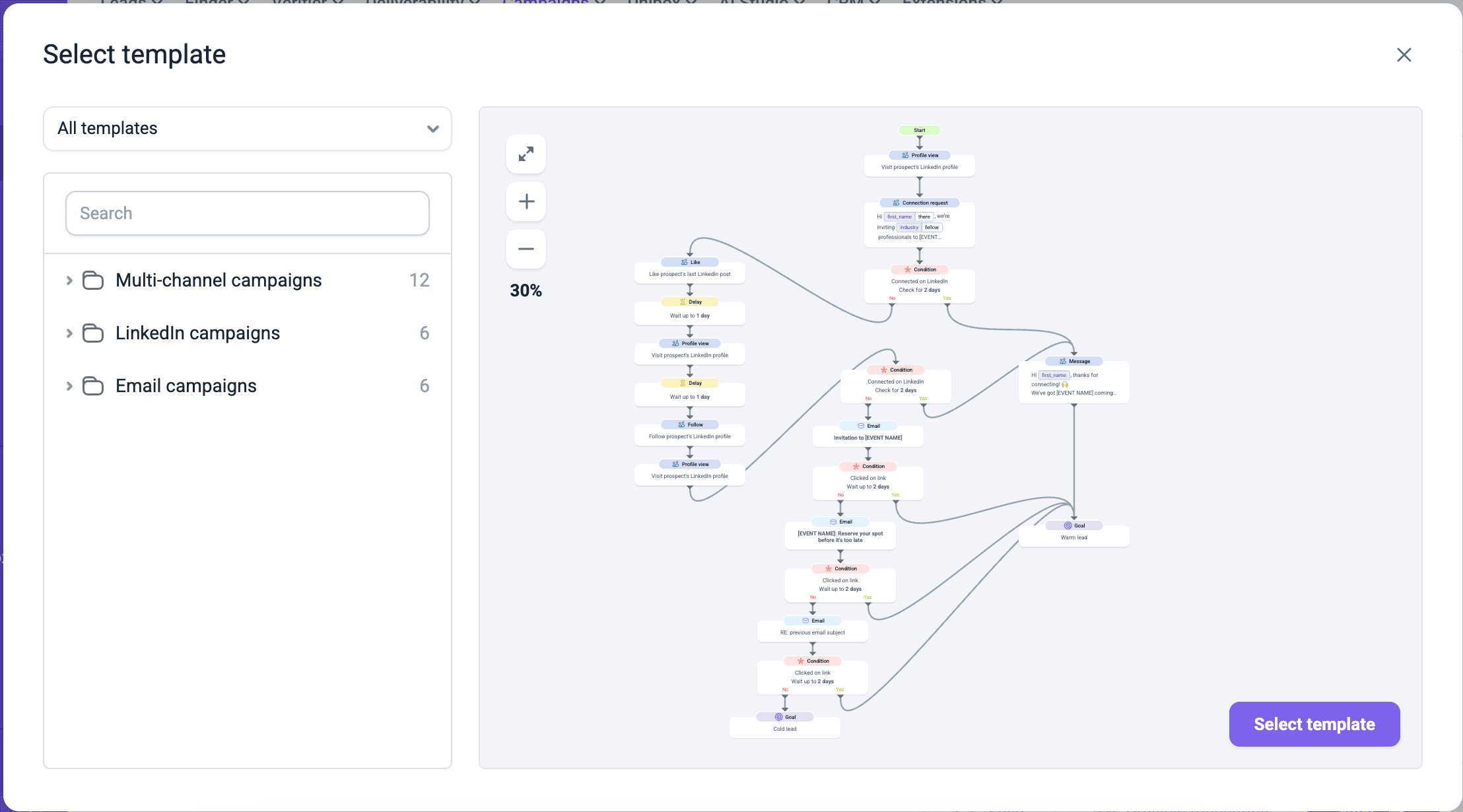
Snov.io also offers many different templates for outreach and email sequences that are fully adjustable. That can help to speed up the process a lot.
One extension I personally use is their Gmail Email Tracker, which shows email opens and clicks. It is absolutely free to use, and if you are trying to get the most out of a smaller budget, it might be exactly what you need. You can check other extensions the platform offers below.
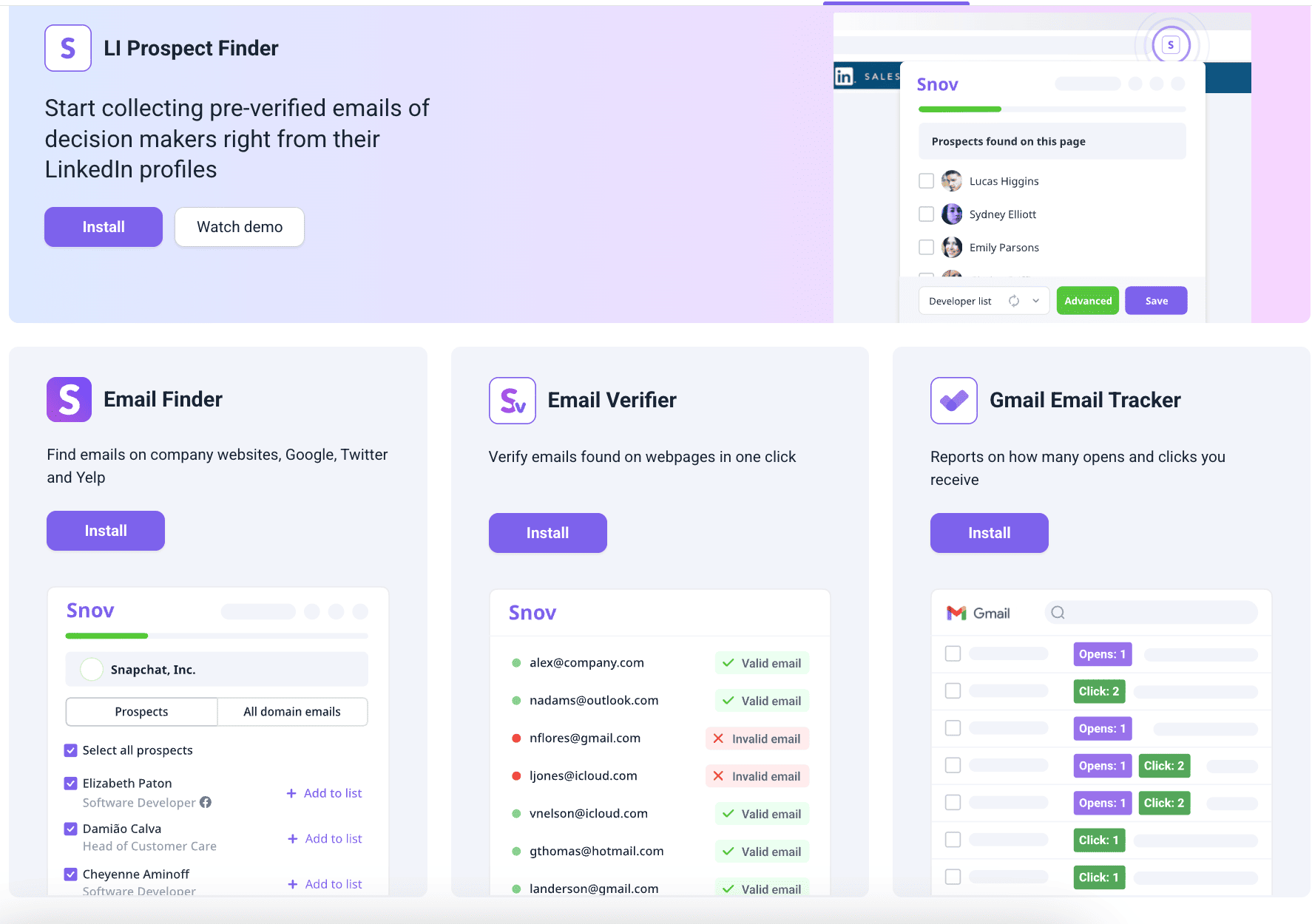
So I think Snov.io would be a great fit for the company that needs to build domain authority, verify the potential contacts, and expand their search with different channels. It is better suited for smaller companies that want all their tools combined in one platform.
Price:
Starter: $39/m
Pro: $99/m
Custom: unknown
If you still doubt which tool to pick for your B2B outreach campaign, read my article about it.
PhantomBuster
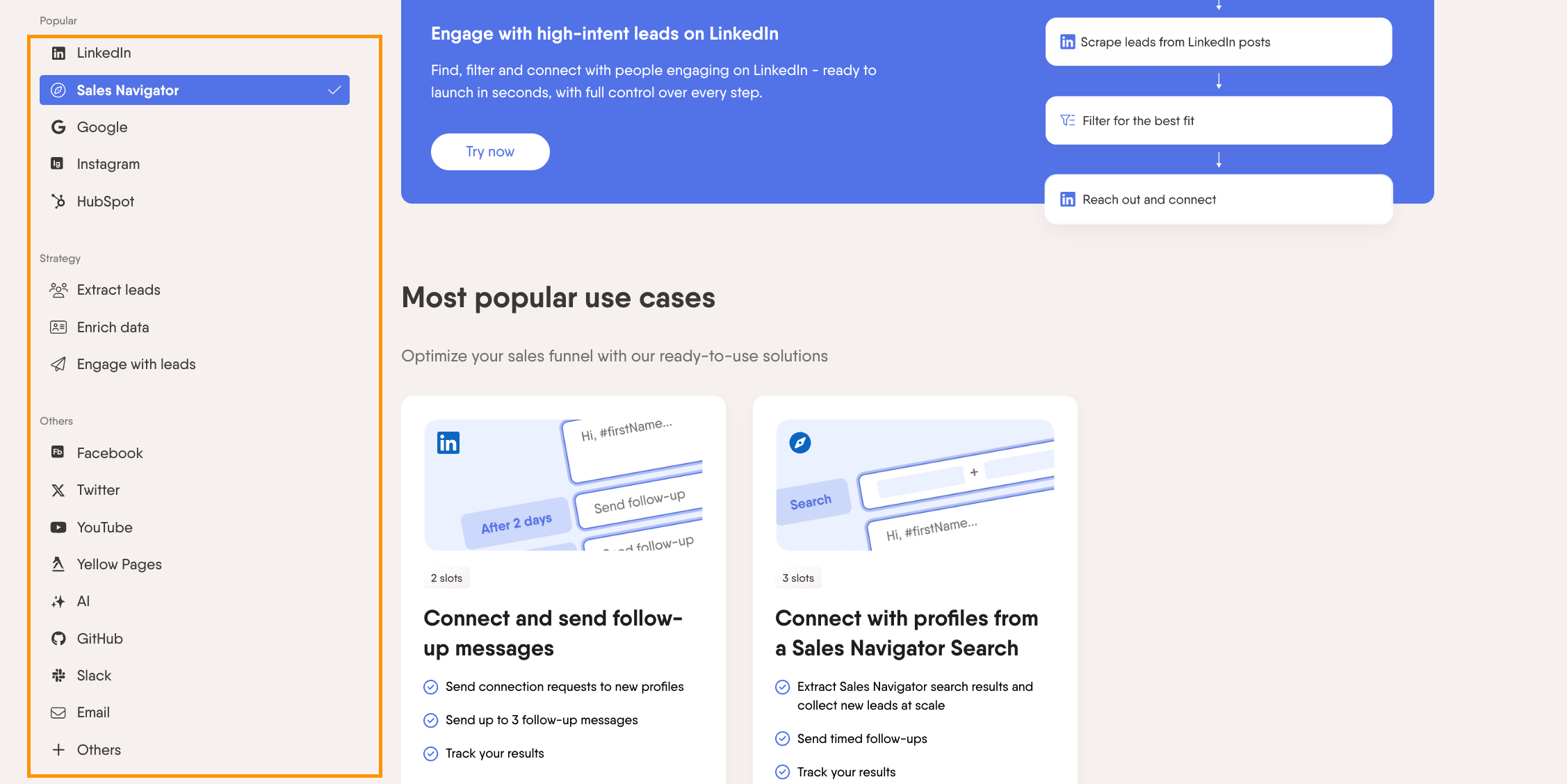
PhantomBuster is essentially a scraping and marketing automation platform that collects contact data from various resources like LinkedIn, Instagram, Facebook, Twitter (X), YouTube, and others. Then you can use this contact data to conduct outreach campaigns across other platforms.
I’ve used this tool myself to conduct B2B LinkedIn outreach campaigns. You can learn about it in my other article.
PhantomBuster provides some outstanding features that other tools don’t. Let me tell you about some of them.
LinkedIn Event Guests Export is extremely useful for connecting with people who attended a relevant event. They already have context, which makes them far more likely to respond to your outreach.

Another tool that stood out to me is the Job Changes Tracker. That can help you if your outreach is based on recent career changes of your leads.

If you want to go beyond LinkedIn and email scraping, PhantomBuster offers other social media platforms from which you can collect data. Look at how many Instagram options it has to offer.
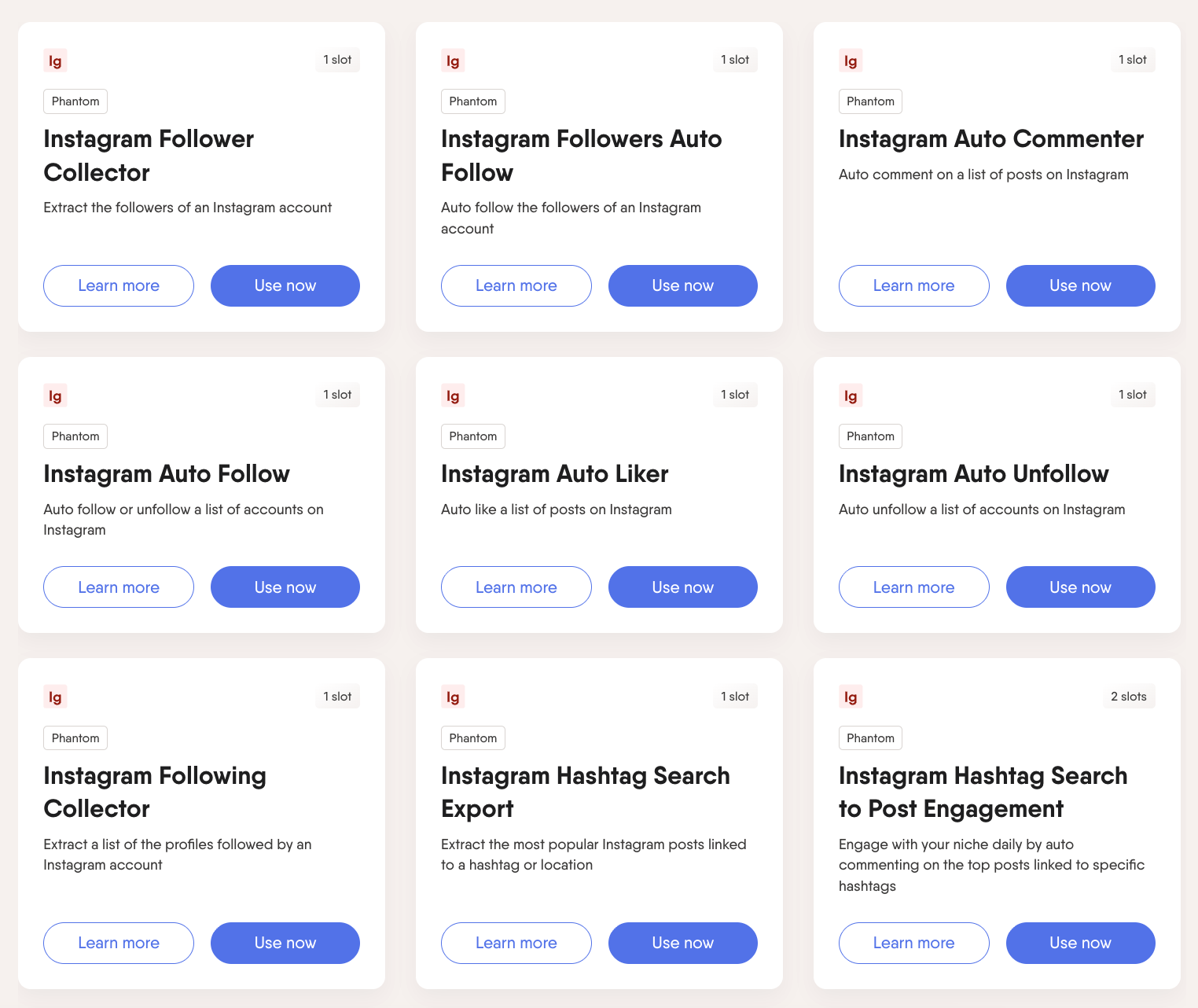
Of course, the platform also has built-in outreach campaigns, which are easy and intuitive to use, but I believe the strongest side of this tool is data scraping. So if you were planning to extend your outreach beyond LinkedIn and email, this is a tool to pick.
The tool is relatively pricey, but I believe it’s worth the cost.
Price:
Start: $69/m
Grow: $159/m
Scale: $439/m
beehiiv
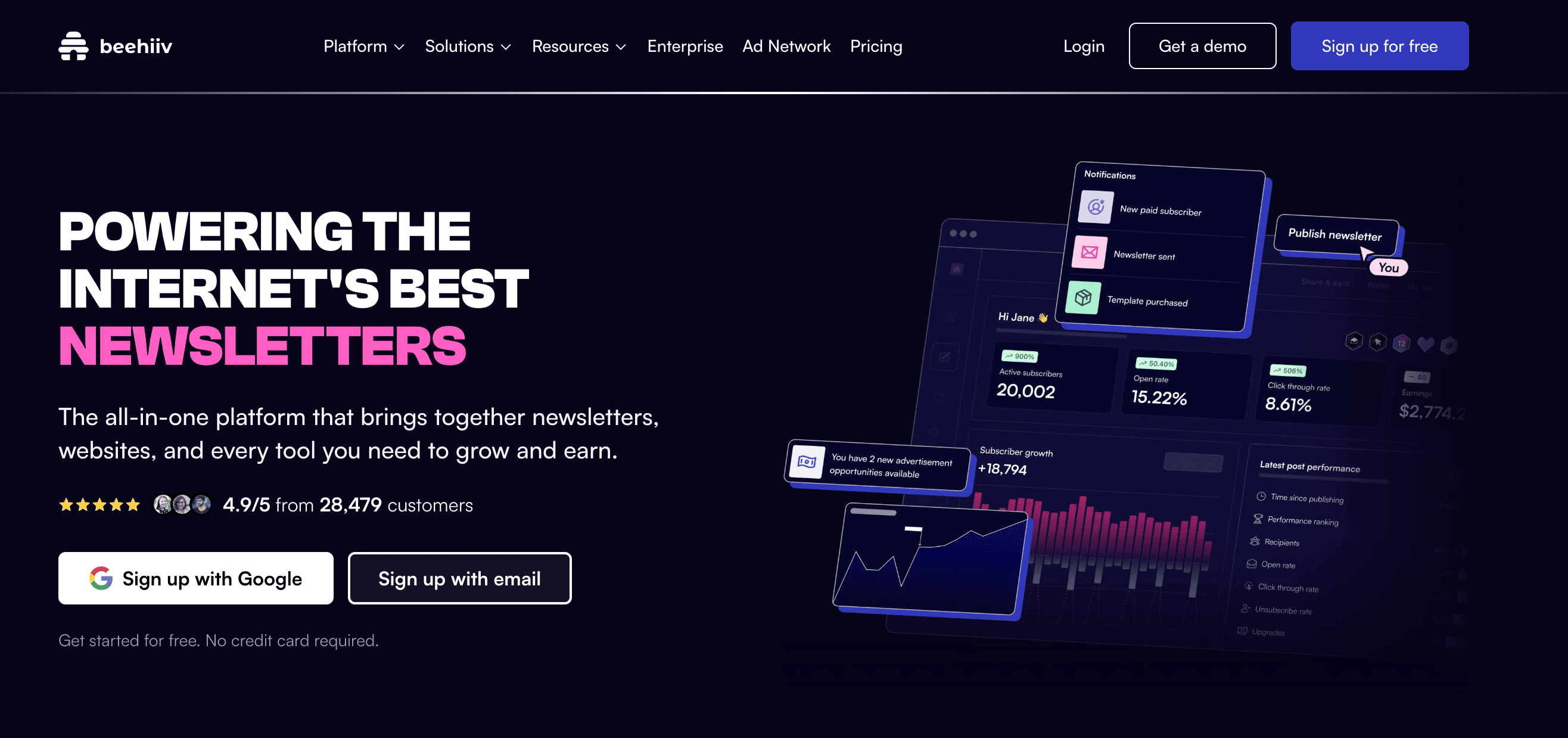
Beehiiv is a newsletter and email marketing platform built for audience growth. This platform is better suited for nurturing leads who already follow you, rather than cold outreach.
I'm using this platform myself, though I'm still growing my audience on it. I have a great article for you from the Marketer Milk owner, who has been using this platform extensively for multiple years, so if you want to study it in-depth, I highly recommend reading it.
Here's why it's worth using.
First, you can use it for free if you have fewer than 2,500 subscribers. I know firsthand that a warm, connected audience of 2K can convert better than 20K cold contacts. It’s also great if you just want to save some money at the beginning.
There are some other things that are included in the free plan.
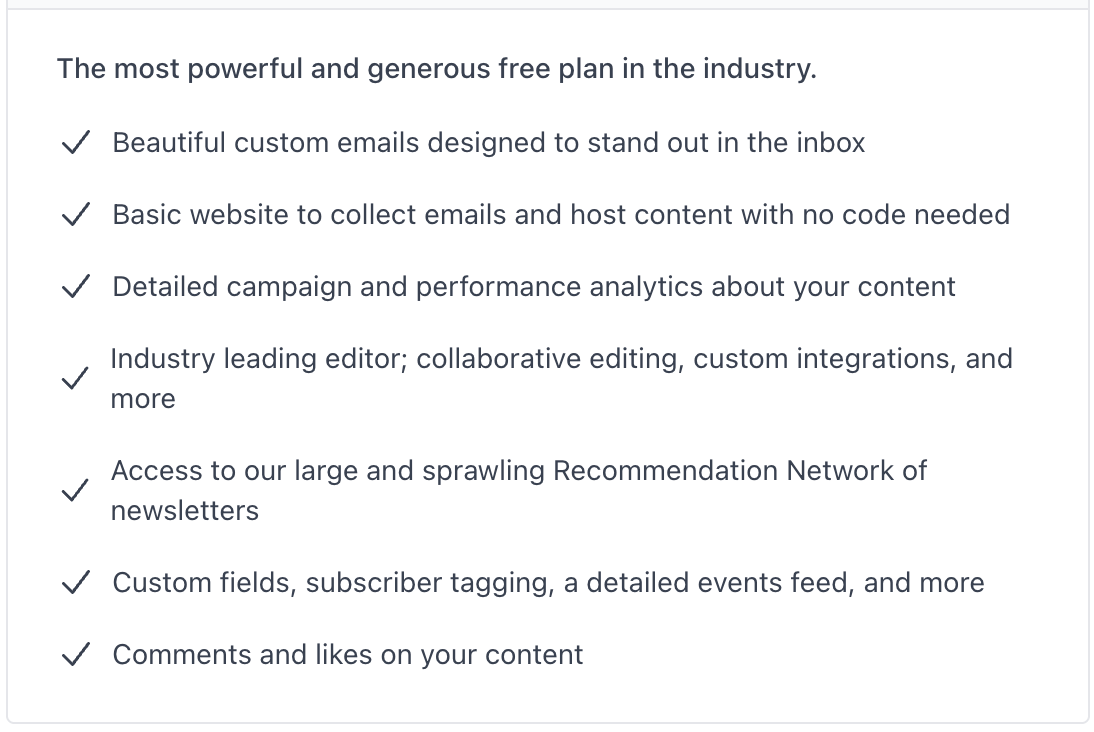
Sounds like a great deal to me.
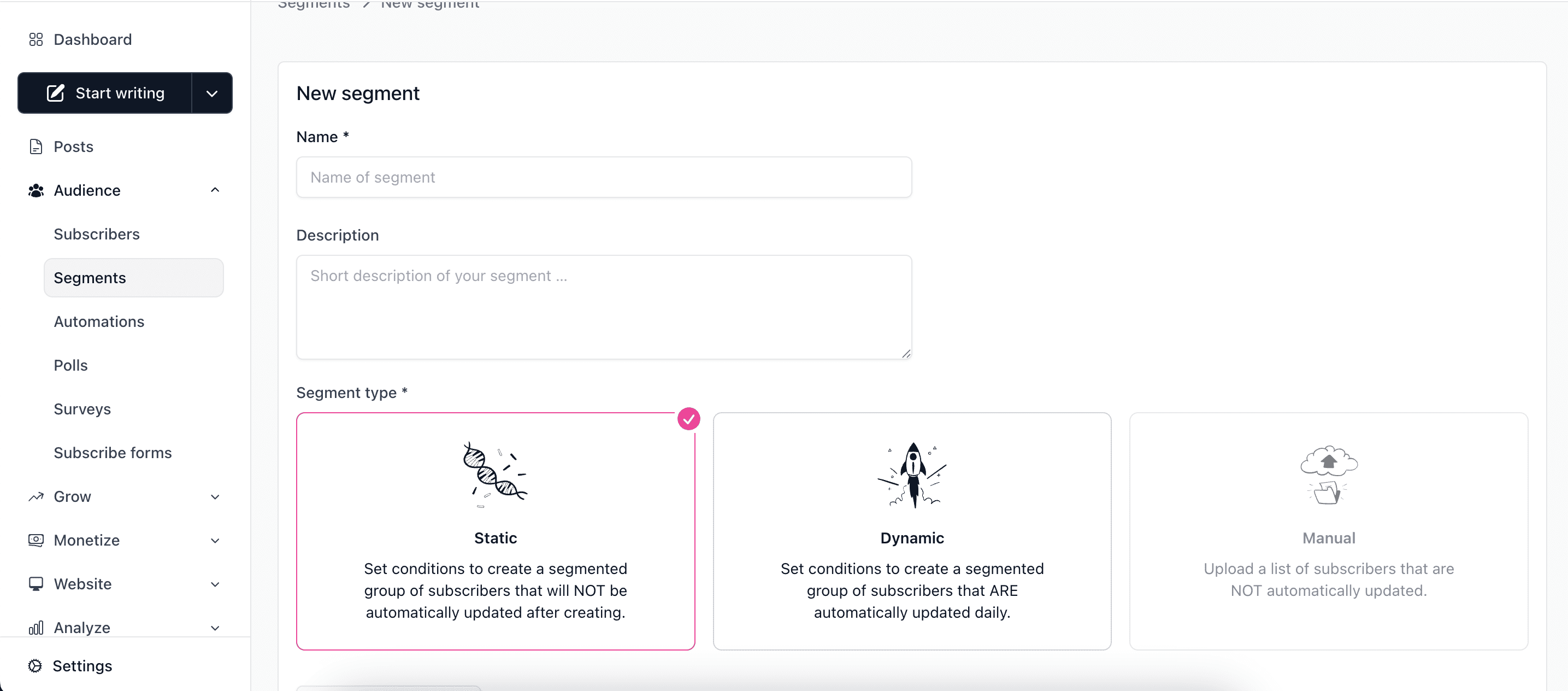
Second, this tool has segmentation and subscriber analytics that can help you better target different audiences and groups. I know almost any email platform will have that in some shape or form; I just wanted to highlight that beehiiv holds its own against tools that cost significantly more.
Also, it’s a great reminder to use this feature and pay attention to your audience segments to run more successful outreach campaigns.
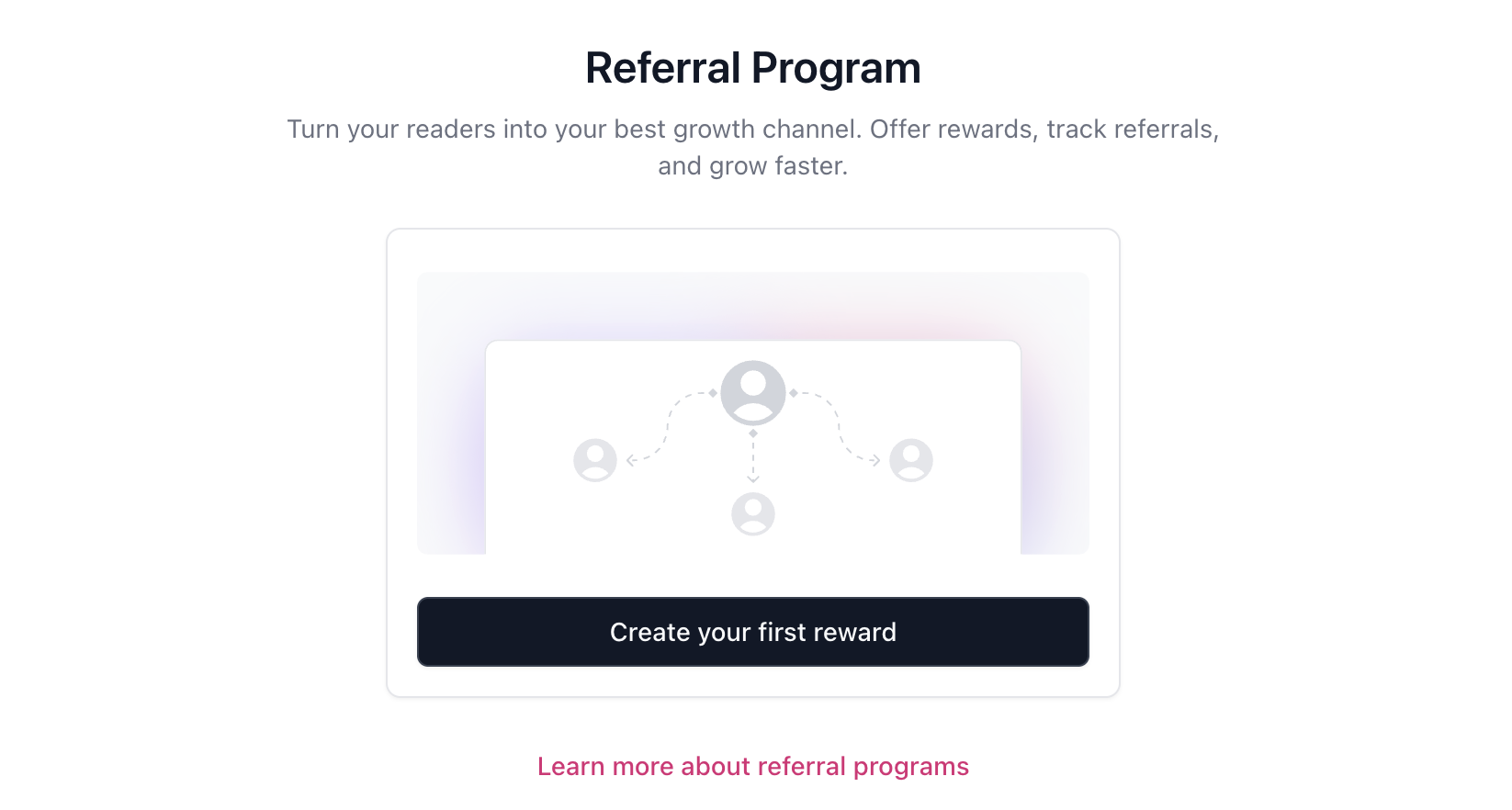
Another feature that I consider helpful is a referral program. You can use it to grow your list of followers.
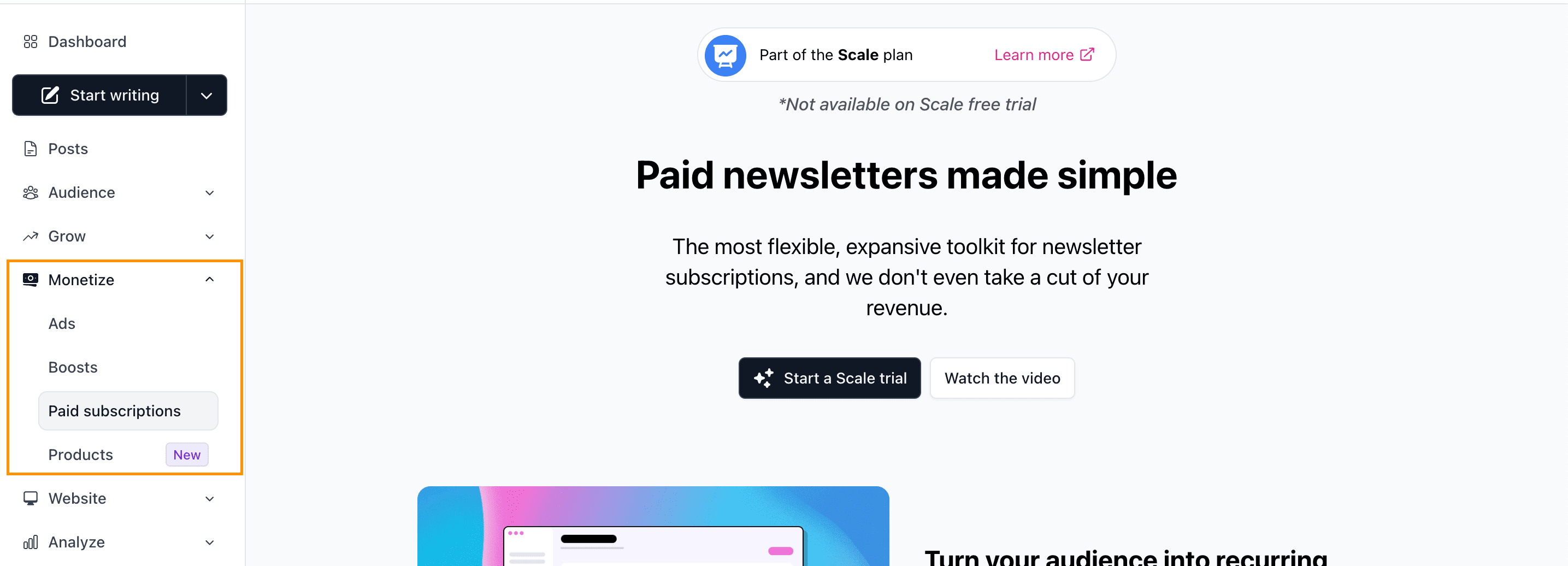
There are also different kinds of monetization options, like ads, boosts, paid subscriptions, and products that are integrated into the tool. It is really simple to pick one that fits you the most and scale it.
I sometimes feel like a lot of B2B marketers underinvest their time and resources in warm nurture, because cold outreach feels faster and more measurable, but beehiiv helps you to build an audience that you permanently own (for lack of a better word).
You do not need to depend on algorithms; it’s just you building relationships with your audience.
Price:
Launch: $0/m
Scale: $49/m
Max: $109/m
Enterprise: Custom
HubSpot
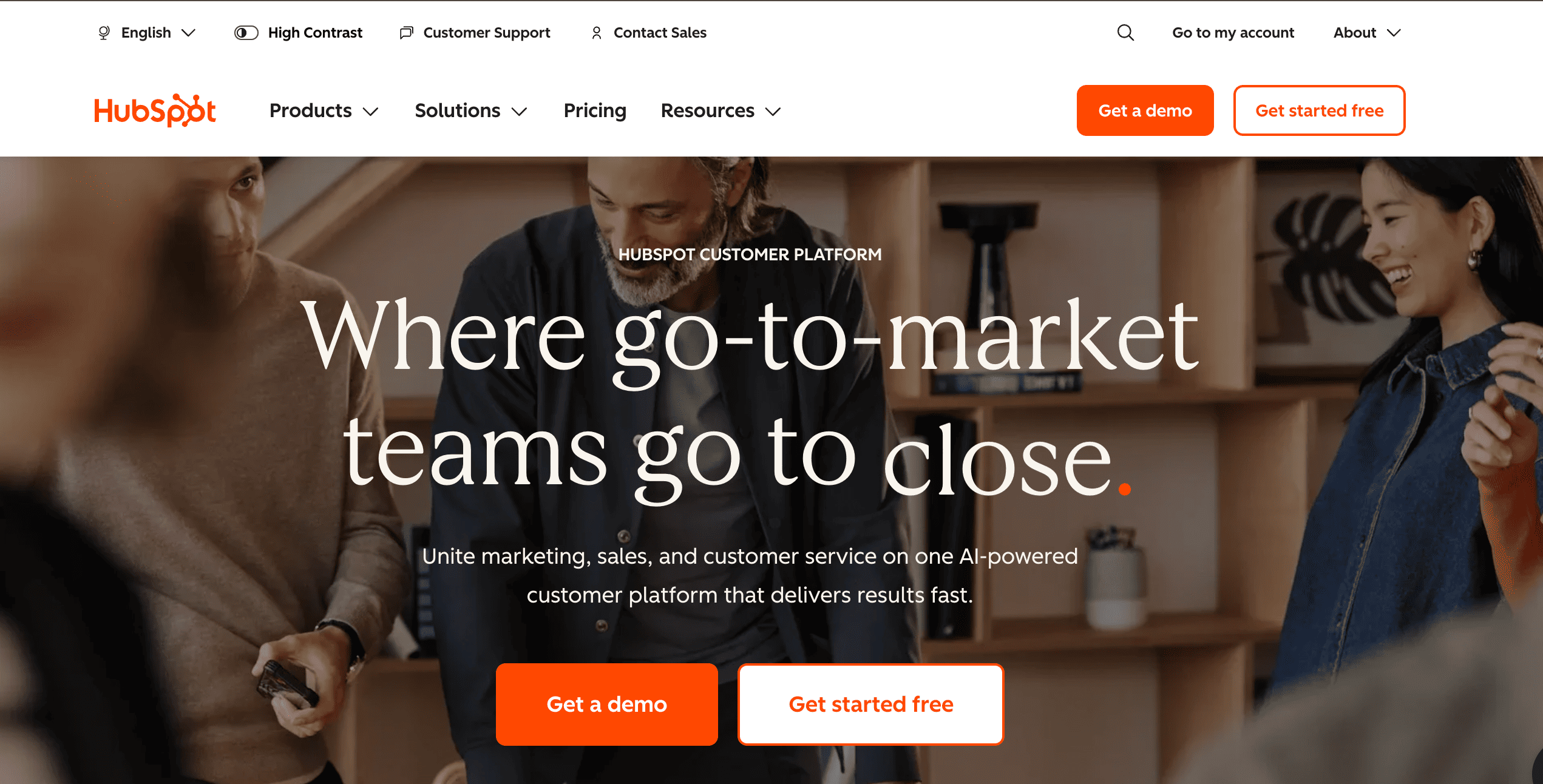
HubSpot is probably the most well-known tool in this article, but its role in a B2B stack is worth talking out.
HubSpot is a full CRM tool and marketing automation platform; it is commonly used for lifecycle management. You can think of it as a control tower that oversees all the other tools that we talked about before.
There's a lot HubSpot can do, but I want to focus on the features that work best alongside the other tools in this article, and B2B outreach.
One of them is lifecycle stage tracking. It is when a lead moves from one stage to another (for example, from a new lead to a lead in progress), and it is tracked and done by the platform.
This also includes automated workflows triggered by actions (email open, page visit, form fill). That is extremely helpful when you have multiple campaigns running at the same time and it might get really confusing and hard to manage.
As you can see, this tool would be great to use for B2B marketers and sales teams.
As you have seen before, Apollo has an integration with HubSpot (and vice versa, obviously). That means you can use Apollo to gather contacts and HubSpot to organize and keep track of them. That can help you to streamline marketing processes significantly.
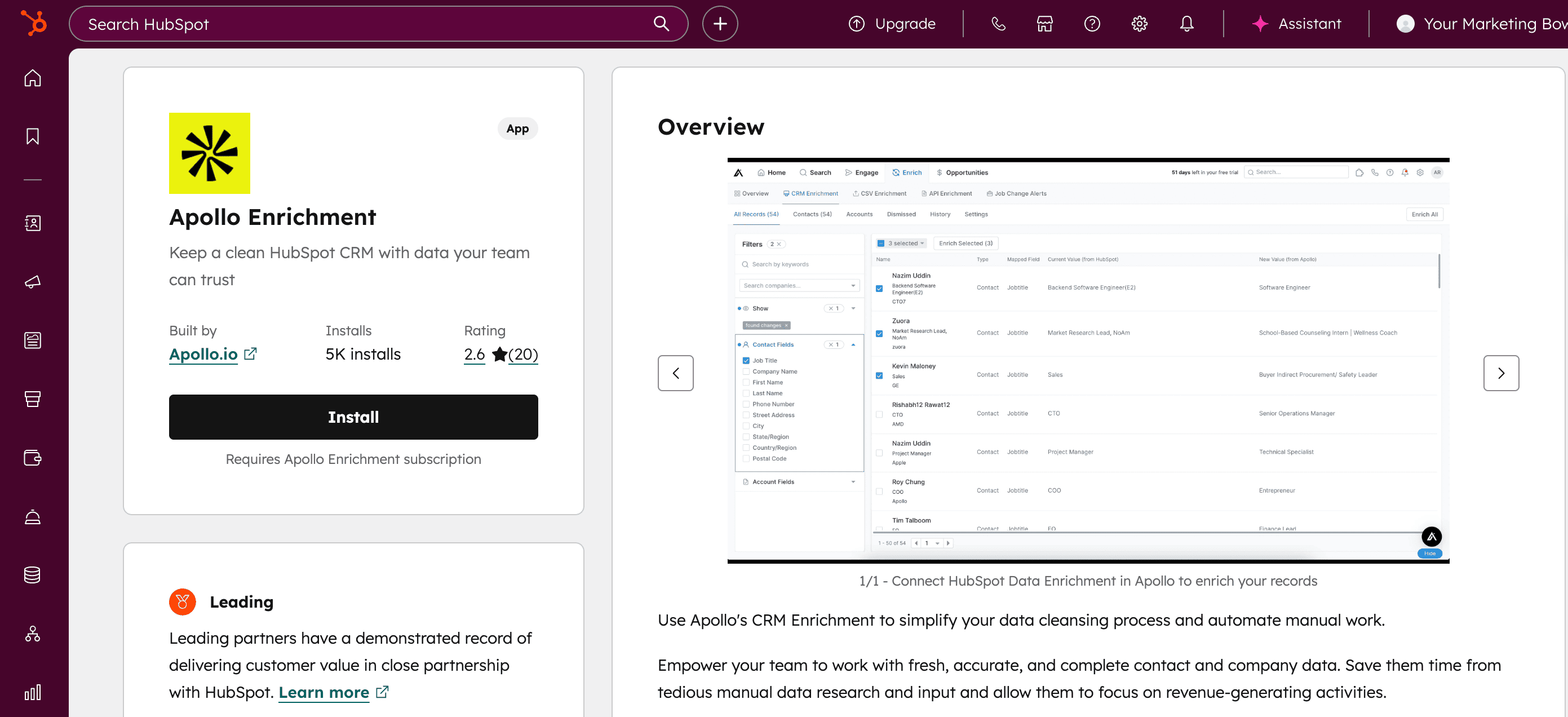
HubSpot is an extremely powerful tool, but it might get expensive fast as you scale. Pay attention to what features you use and don’t so you won't end up overpaying for something that you don’t need at all.
Price:
Starter: starts at $15/m per seat
Professional: $1450/m (includes 6 seats)
Enterprise: $4700/m (includes 8 seats)
Salesforce
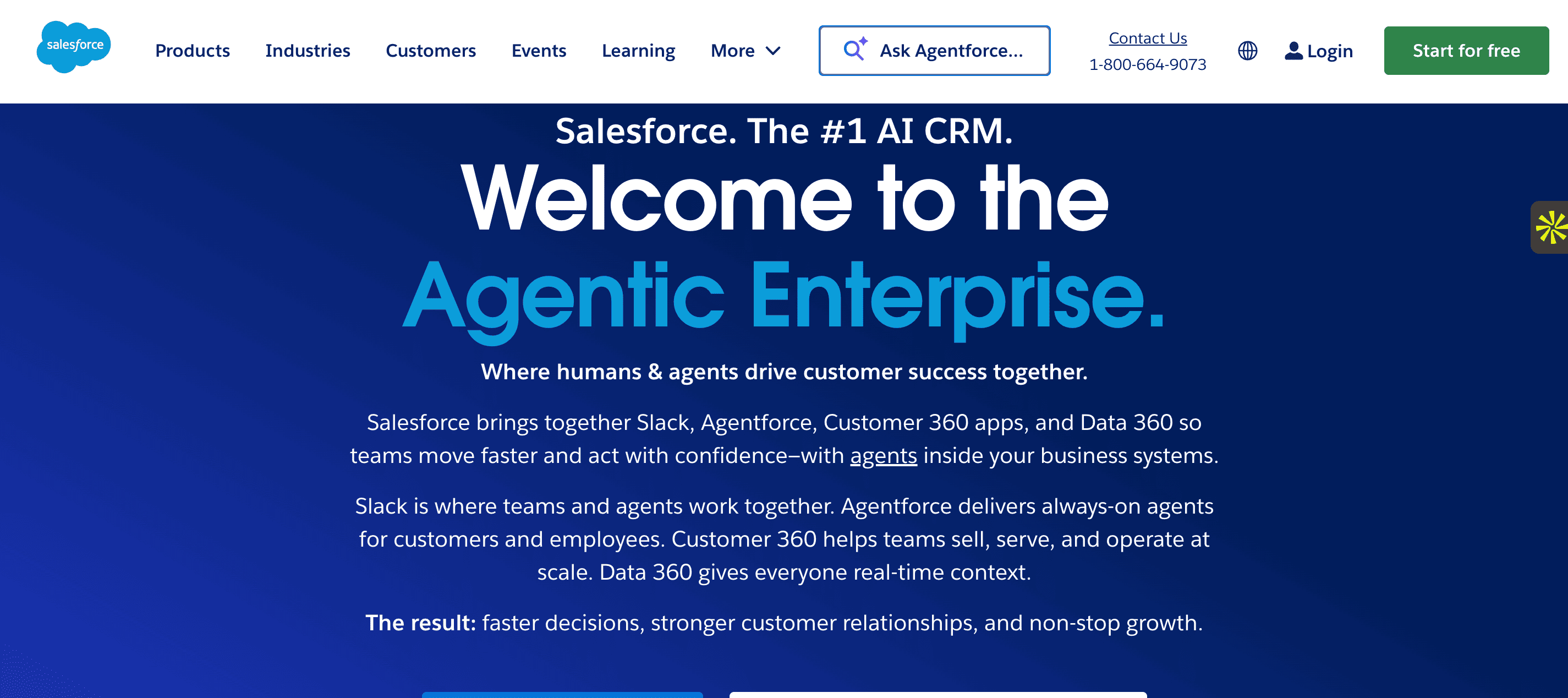
I believe this platform is also well-known among sales and marketing teams. Salesforce is an enterprise-scale sales platform and CRM tool built for large sales organizations. It has an extensive suite of tools that are highly customizable, but it requires a lot of effort to set up.
Salesforce is not built for everyone, but for companies that have a large sales team and/or admins who manage the whole system, it's essentially made for enterprise marketing.
Honestly, it feels more confusing for me compared to HubSpot, but I’m sure that if you are working at a large company, this tool can provide organization of more complex deal structures.
One thing worth mentioning: the Salesforce sales team can be very persistent. Once I registered on their platform, I started getting many emails and calls from their sales representative. I don't feel like it's a good approach, but it does reflect what the platform is built for — big, dedicated sales teams.
Bottom line: How to use these tools effectively
You can use one of these tools as a standalone solution, but I'd recommend combining them and getting the most out of them.
How I see the B2B outreach funnel: PhantomBuster → Apollo.io or Snov.io → beehiiv → HubSpot or Salesforce
Each tool in the funnel serves its own purpose.
PhantomBuster opens up many doors to contact collection across many social media platforms; Apollo.io or Snov.io can verify and filter your data set; beehiiv can nurture those leads when the first contact is established; and HubSpot or Salesforce are meant to keep them organized and ready for the next funnel step.
Of course, not every company needs to use all six of them. That’s going to be extremely expensive, too. Here’s how I think about it.
If you are a small company or just starting out, I’d pick Snov.io + beehiiv. That would cover finding your leads, verifying them, reaching out, and building a warm audience at the same time.
If you are scaling, I’d consider adding Apollo.io and PhantomBuster to the mix. It would help you to cover more specific audiences.
If you have a dedicated sales team, then you need to add HubSpot to manage all of your deals. When deals get complicated enough, you can move to Salesforce.
Disclosure: Some links in this article may be affiliate links. If you choose to make a purchase through them, Your Marketing Bowl may earn a commission at no extra cost to you.
The content on this site is for informational and entertainment purposes only and should not be taken as financial advice. For full details, see the disclaimers section.
The content on this site is for informational and entertainment purposes only and should not be taken as financial advice. For full details, see the disclaimers section.

Hey there! I'm Karina! I love marketing and everything about it. I've been working in marketing in Eastern Europe, Sweden, and now in Santa Barbara, CA. I hope you gonna like it here.

Subscribe for marketing advice
I'd actually give a friend
Join our mailing list and never miss a story.
No AI, no BS!