Apollo.io vs Snov.io (2026): pricing & verdict
Author:
Karina
Published:
Jan 7, 2026
Updated:
Mar 19, 2026
Reading Time:
15min
I believe that sales intelligence tools will be extremely helpful in 2026, especially when it comes to B2B outreach campaigns, email campaigns, and organizing all your leads in one place.
I used them myself for different kinds of outreach campaigns, and I can tell that they simplify your work a lot. It helps you to gather big sets of contacts relatively fast, find and verify their emails, and conduct the outreach itself, all using the same tool.
The downside is that these tools can get pricey. Not all companies, especially small ones, can afford that.
There are many tools that can help you with B2B outreach and email campaigns, but today I will be comparing two platforms: Snov.io and Apollo.io. Fortunately, both of them can be tested for free. So let’s dive deeper into both platforms.
3. Feature-by-feature comparison
7. Bottom line: Which one should you choose?
What Is Apollo.io?
Apollo is an AI platform that helps with B2B sales by prospecting leads, validating them, automating deals, conducting email outreach, and organizing all of it in one place.
Their main features are divided into four groups: Prospects, Outreach, Manage Records, and Tools.
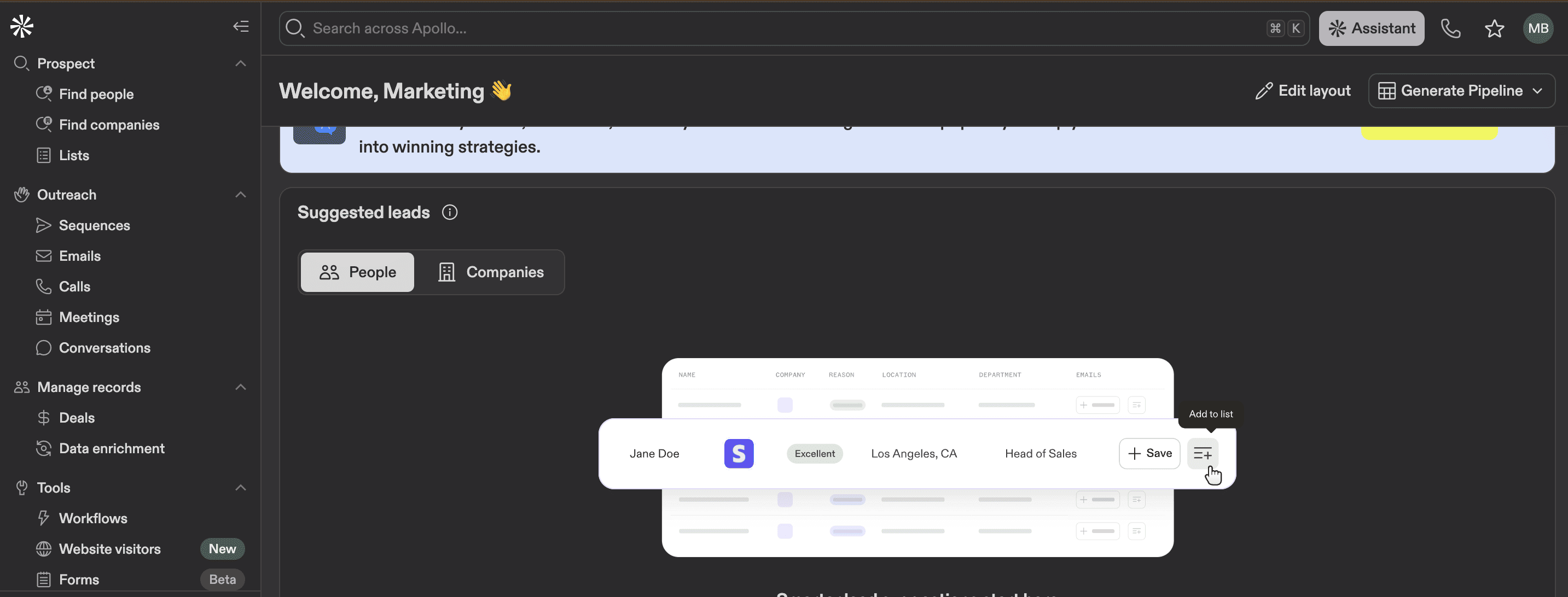
You can see for yourselves what is included in each category. The features I used the most are “Find people” and “Find companies” (clearly, it also includes the email finder).
Those features are advanced and easy to use at the same time.
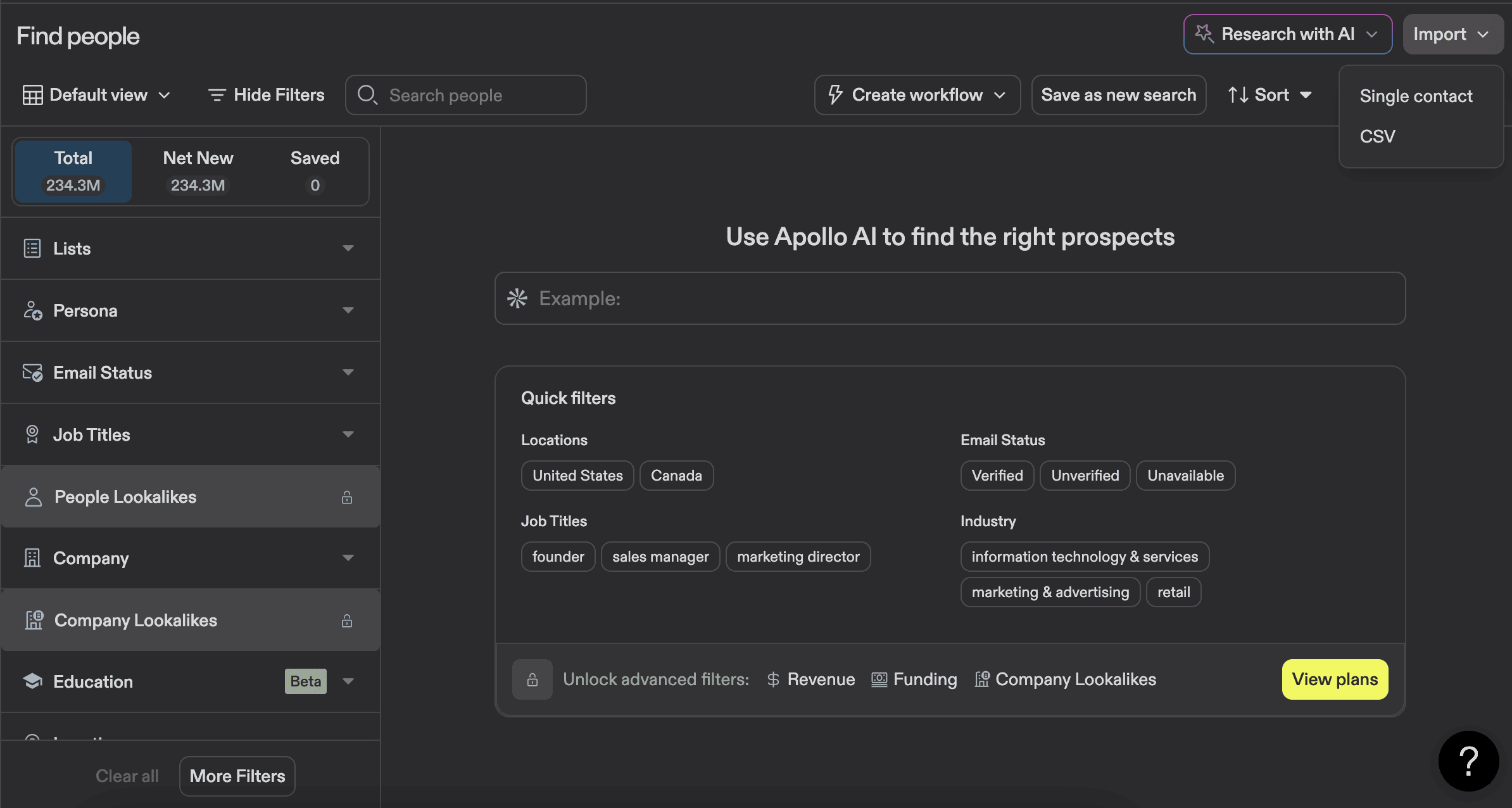
As you can see, their database consists of 234.3M contacts, and you can search for people inside the platform and import your own contact database.
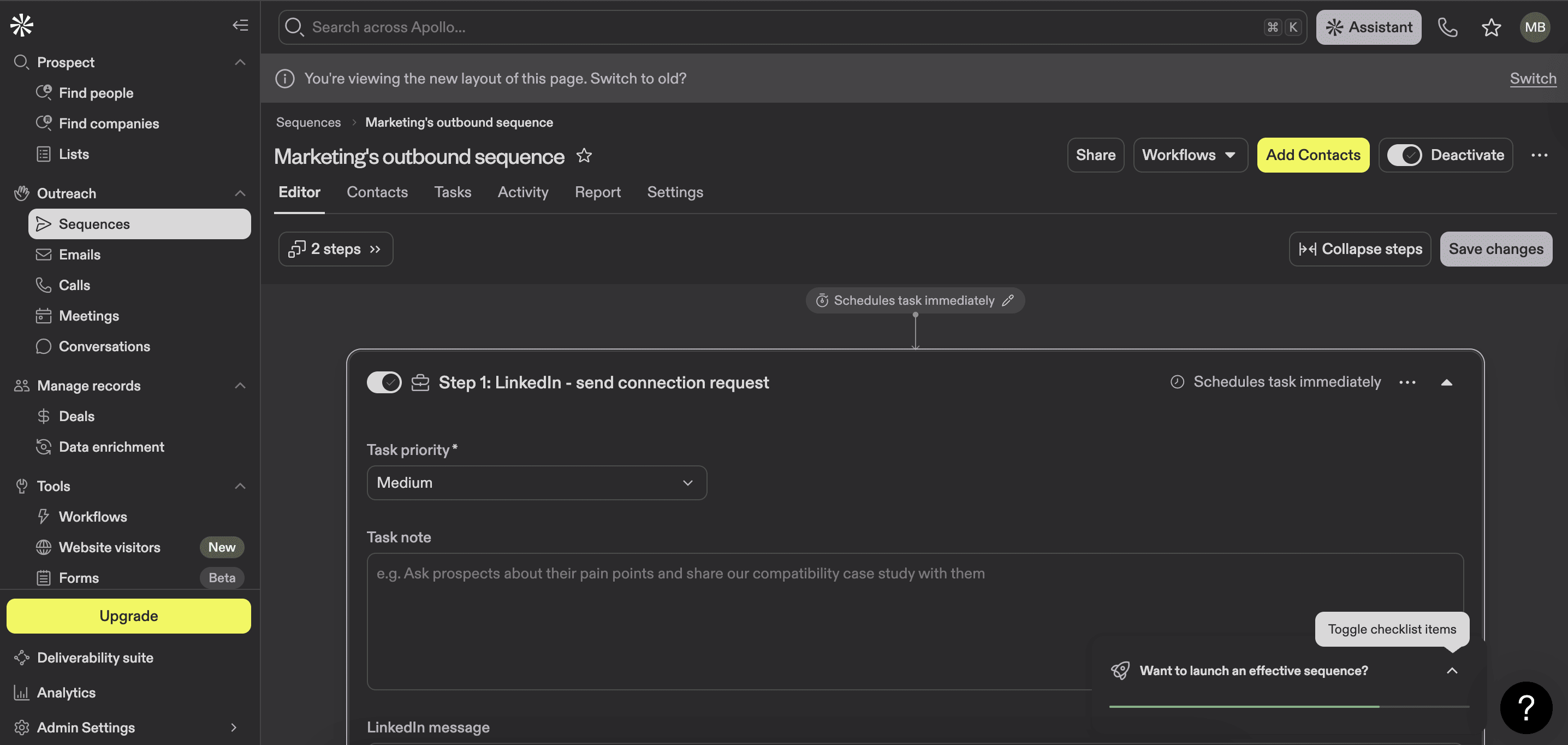
Once you've gathered your contacts, you can create your outreach sequence and track its performance there. It is easy to set up and adjust.
Overall, Apollo.io is mainly used by B2B sales teams and/or startups to find leads and run and scale outbound sales via LinkedIn and email sequences.
What Is Snov.io?
Snov.io is a platform that combines multiple features that are useful in the B2B area, such as contacts and email finder tools, email validation, cold email outreach, LinkedIn automation, and others.
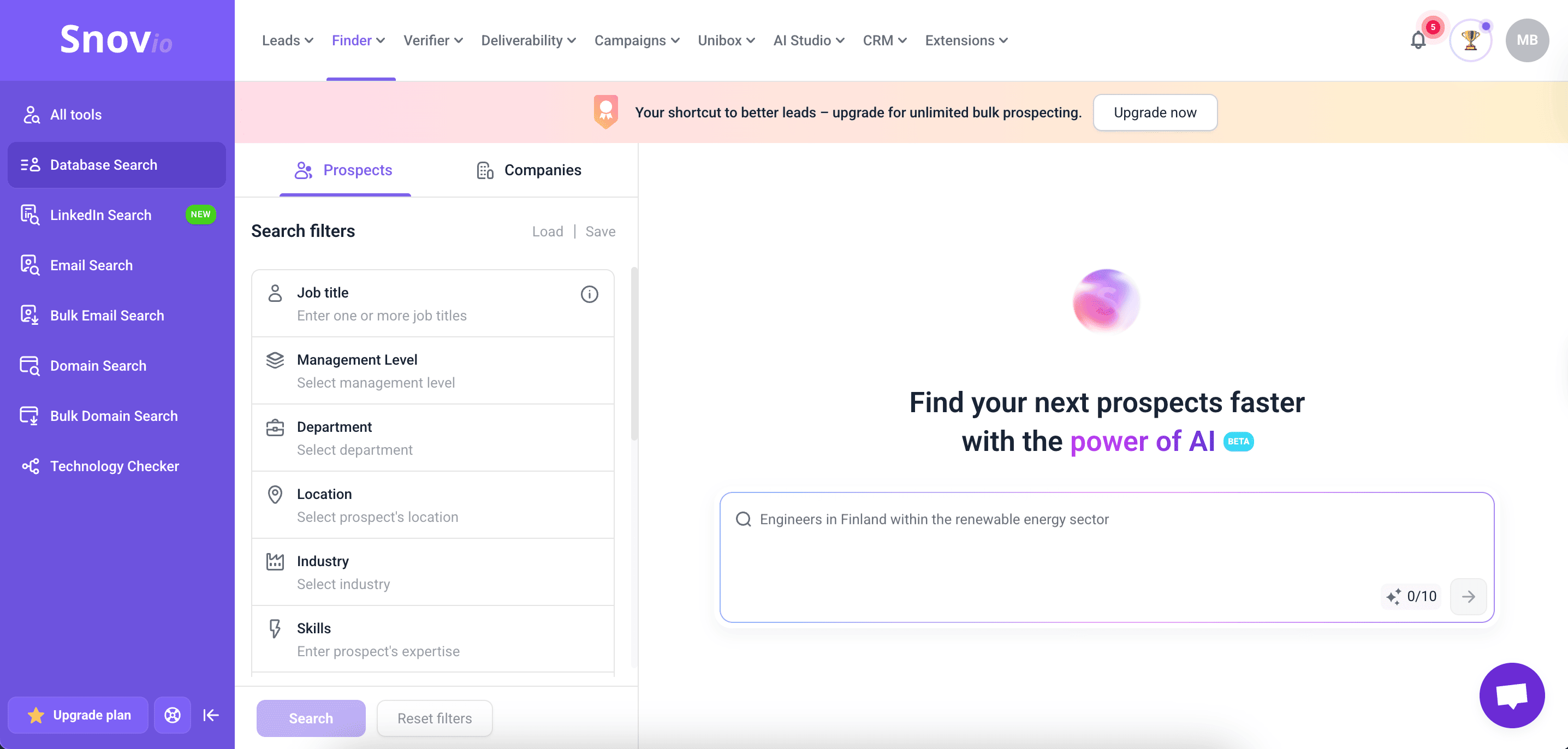
It offers more extensive search options that include prospect and company searches, LinkedIn, email, and domain searches. It also has an email warm-up feature that I find very helpful.
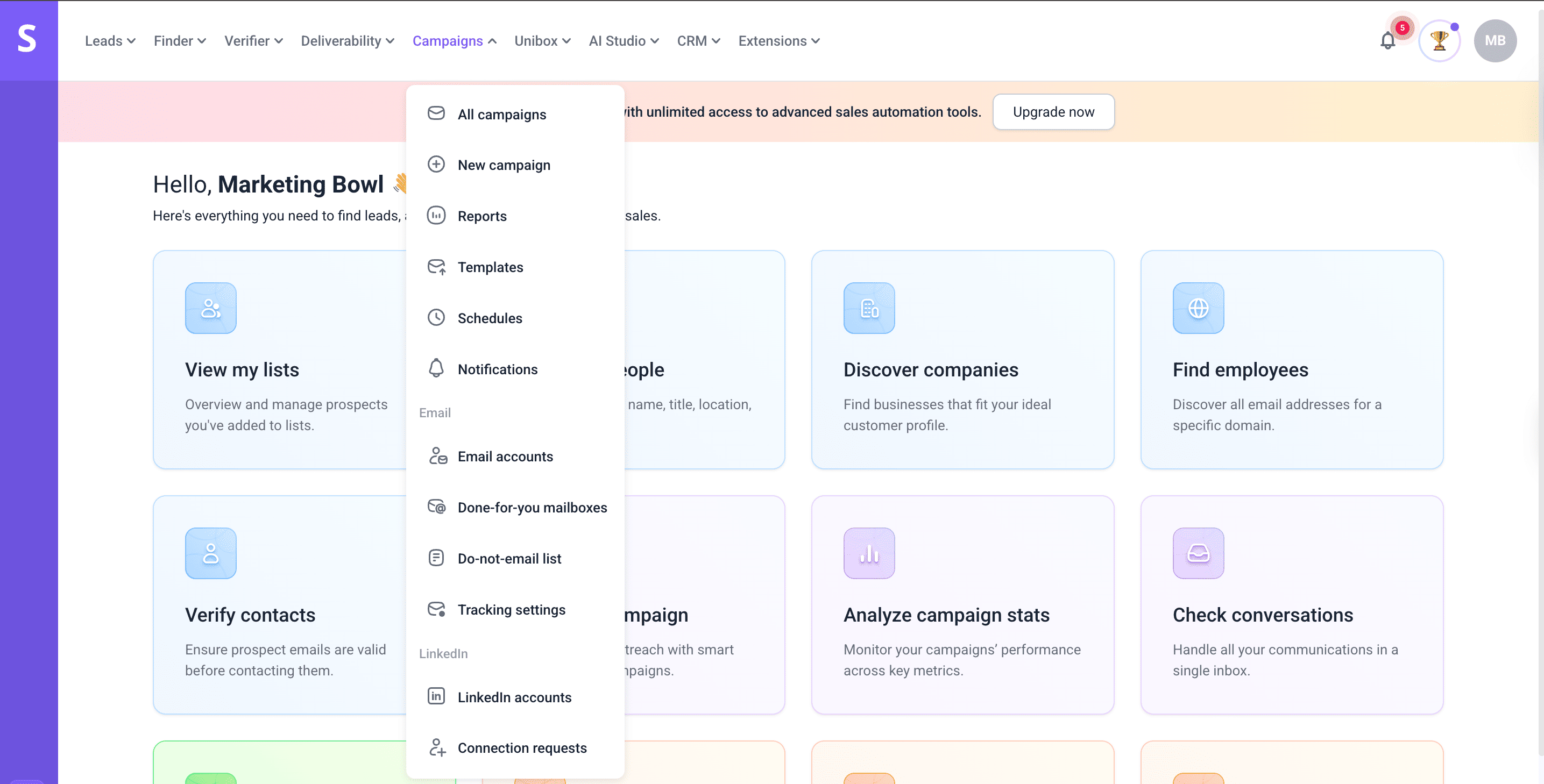
It also has a lot of options when it comes to campaigns and campaign management.
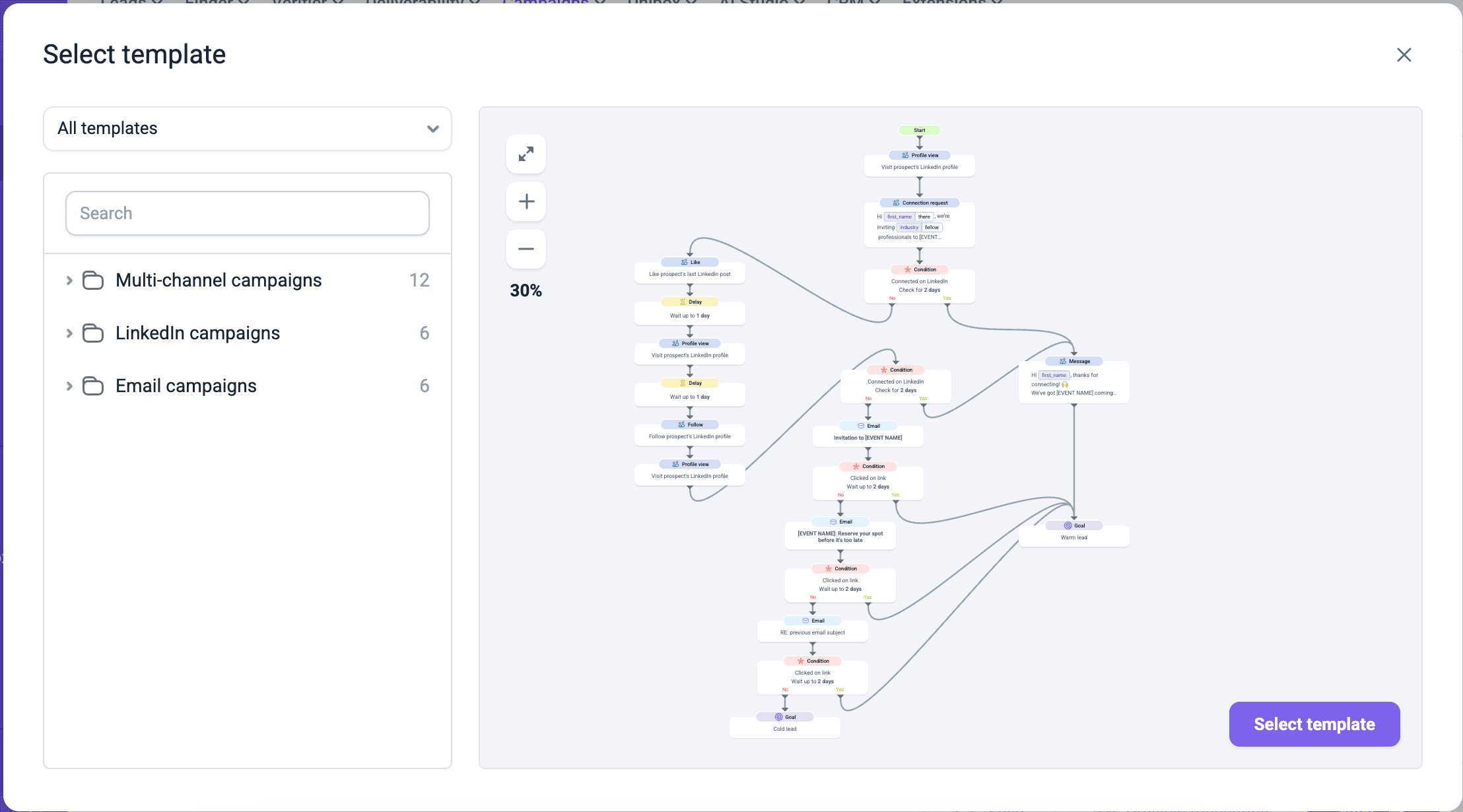
As you can see, they have integrated templates for multi-channel, LinkedIn, and email campaigns. That saves a lot of time with campaign setup, and those templates are adjustable.
I feel like Snov.io is mainly used by small businesses, startups, and individual sales or marketing professionals to find and verify leads and run simple email outreach campaigns.
Feature-by-feature comparison
Lead database & contact accuracy
According to official resources, Apollo.io has 210M+ verified professionals and companies, while Snov.io claims to have 1.5 billion leads in the contact database. Quantity doesn’t necessarily mean quality, but Snov.io wins in numbers here.
What about the quality of contact data?
Apollo has more advanced filters and more detailed contact data when it comes to prospect searching, which might help to find narrower audiences for personalized outreach campaigns.
For example, you can filter people who were recently promoted or have a high buying intent.
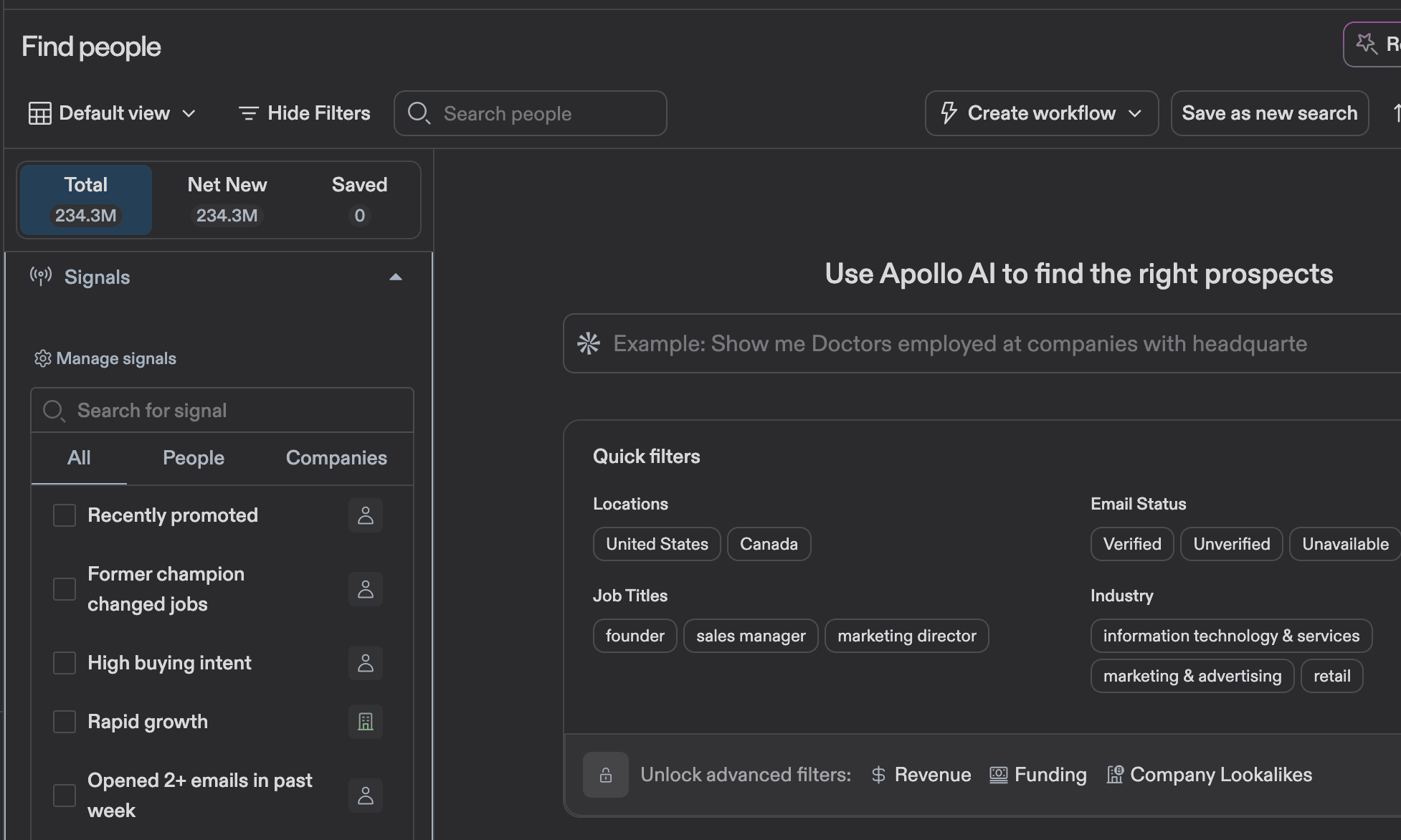
That being said, if you feel like you need a high level of accuracy and a very niche audience, Apollo would probably be a better choice.
Email verification accuracy tends to be very high for both of the platforms—above 90%, with Snov.io claiming to have 98% accuracy.
Email outreach & sequences
Let’s talk about the sequence builder here. Both sales intelligence platforms have an integrated sequence builder that allows you to send out messages to emails and LinkedIn profiles.
From my point of view, Snov.io sequences are more detailed and are easier to navigate. For some people, they may seem too detailed, but I prefer them.
Both platforms have an A/B testing feature that feels essential for campaign testing.
Apollo.io and Snov.io also provide a good amount of dynamic variables to make your outreach sequences personalized (see below).
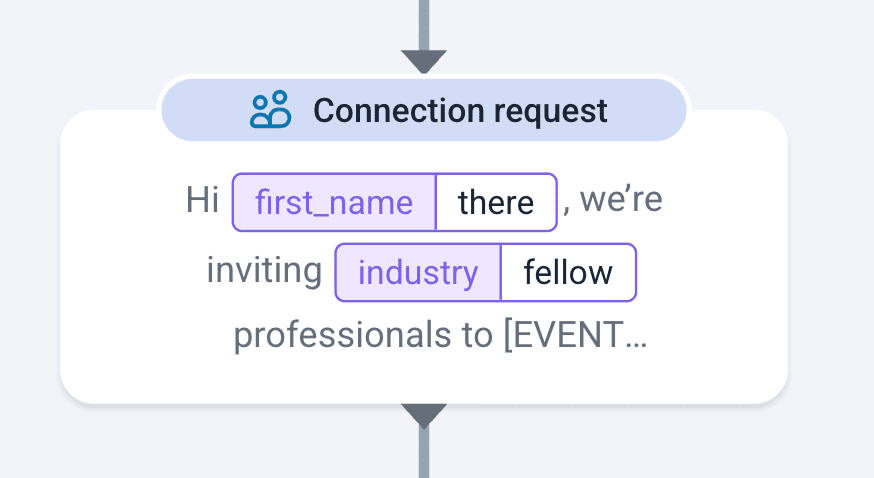
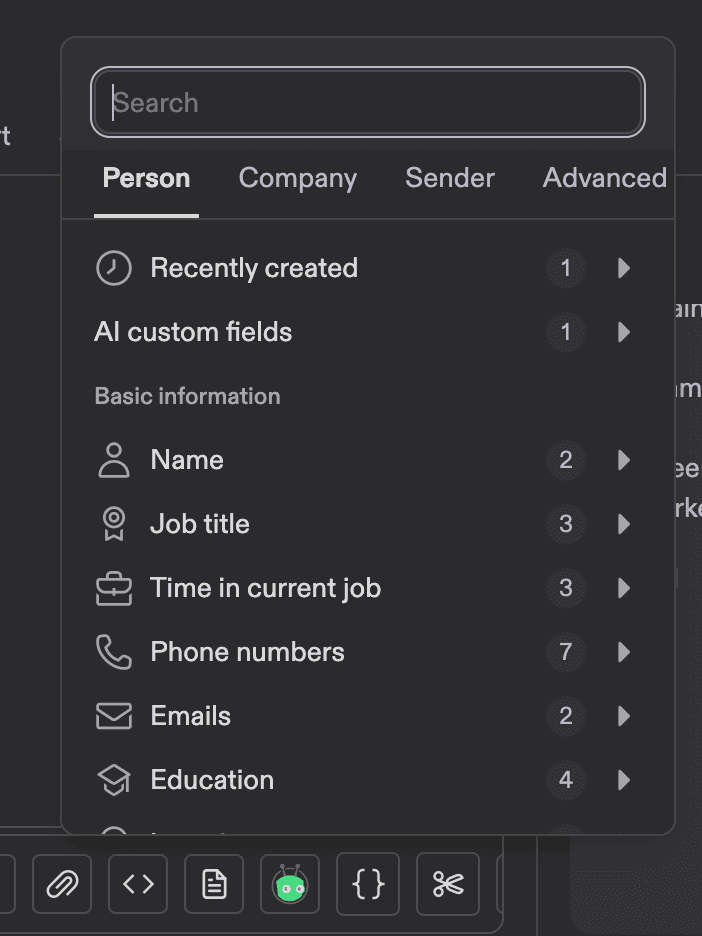
Before you start your sequence, make sure that you have full contact info for each contact and that it is stored correctly on your contact list. Otherwise, you might send something embarrassing to your potential client.
LinkedIn and email automation for sequences in both platforms are very advanced, and the campaign could be done fully on its own, but I encourage you to check the messages that are coming out and keep track of all the sequence conditions while the campaign is ongoing.
CRM & integrations
Apollo.io and Snov.io have integrated a CRM system, and you can either build it manually or create it from your list of contacts. The situation is slightly different with CRM integrations, though.
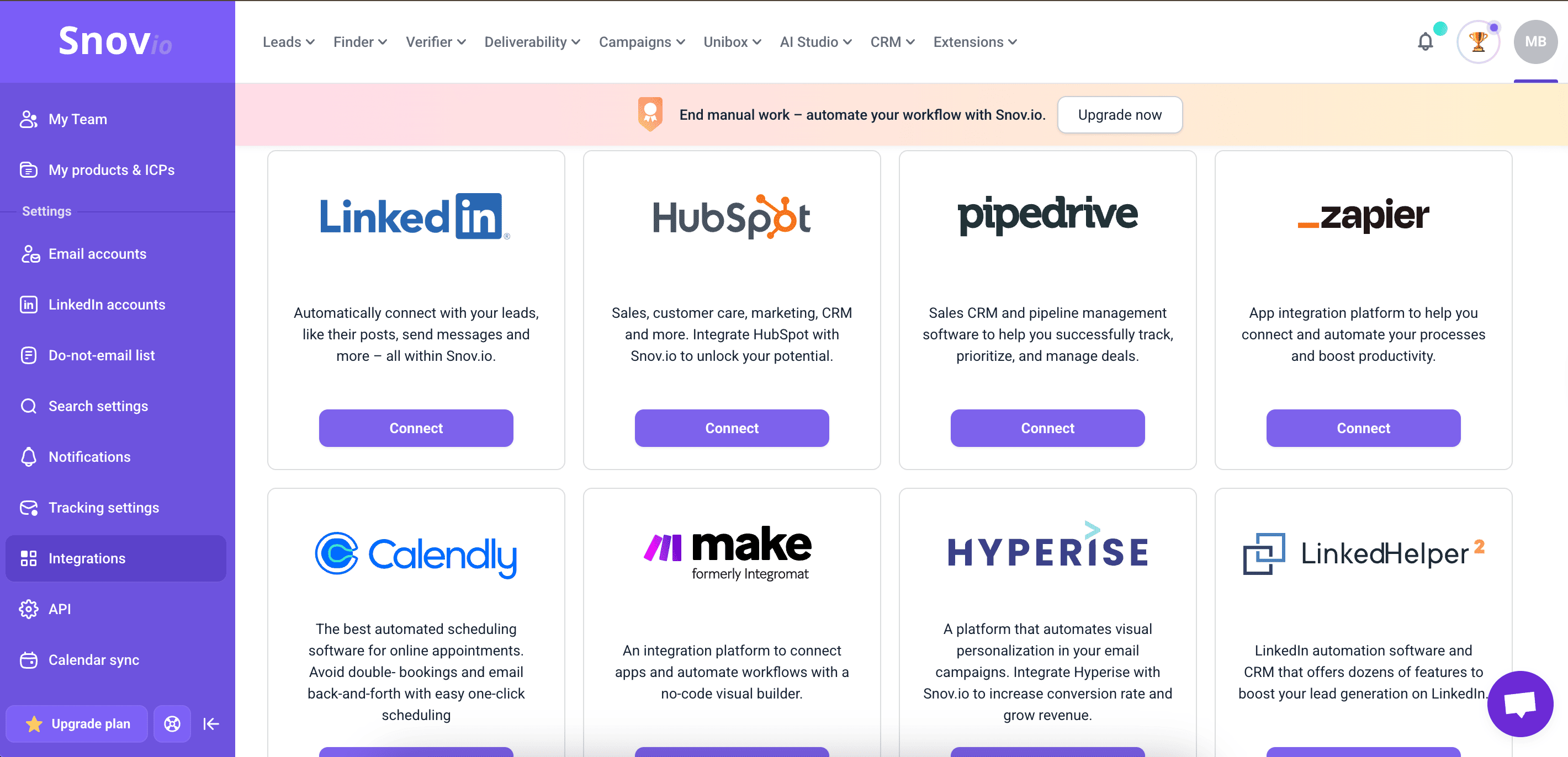
Snov.io has the possibility to integrate with 10 different platforms, the majority of which you can see in the picture.
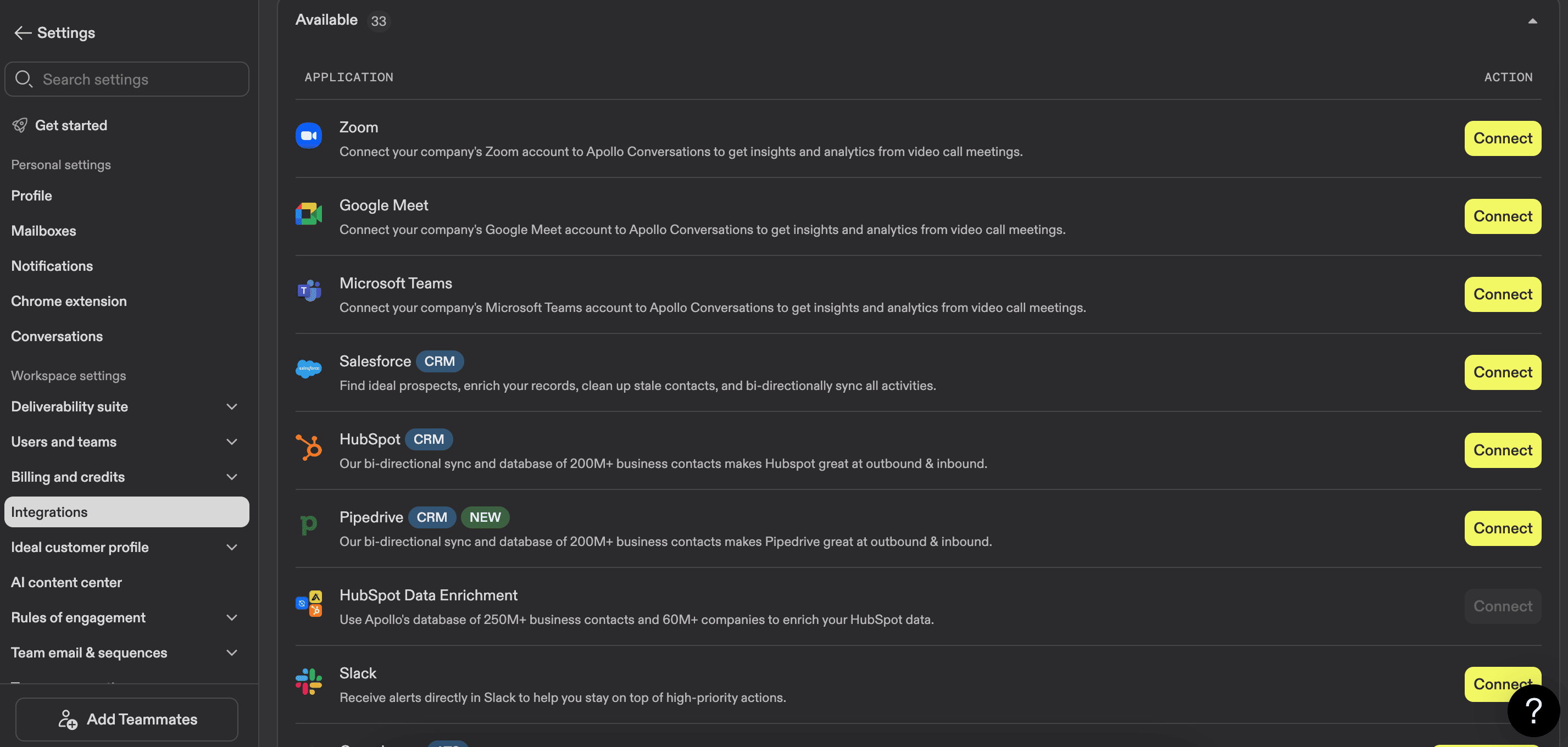
Apollo.io, on the other hand, has 33 integrations available. That can be a significant difference for teams that rely on integrations.
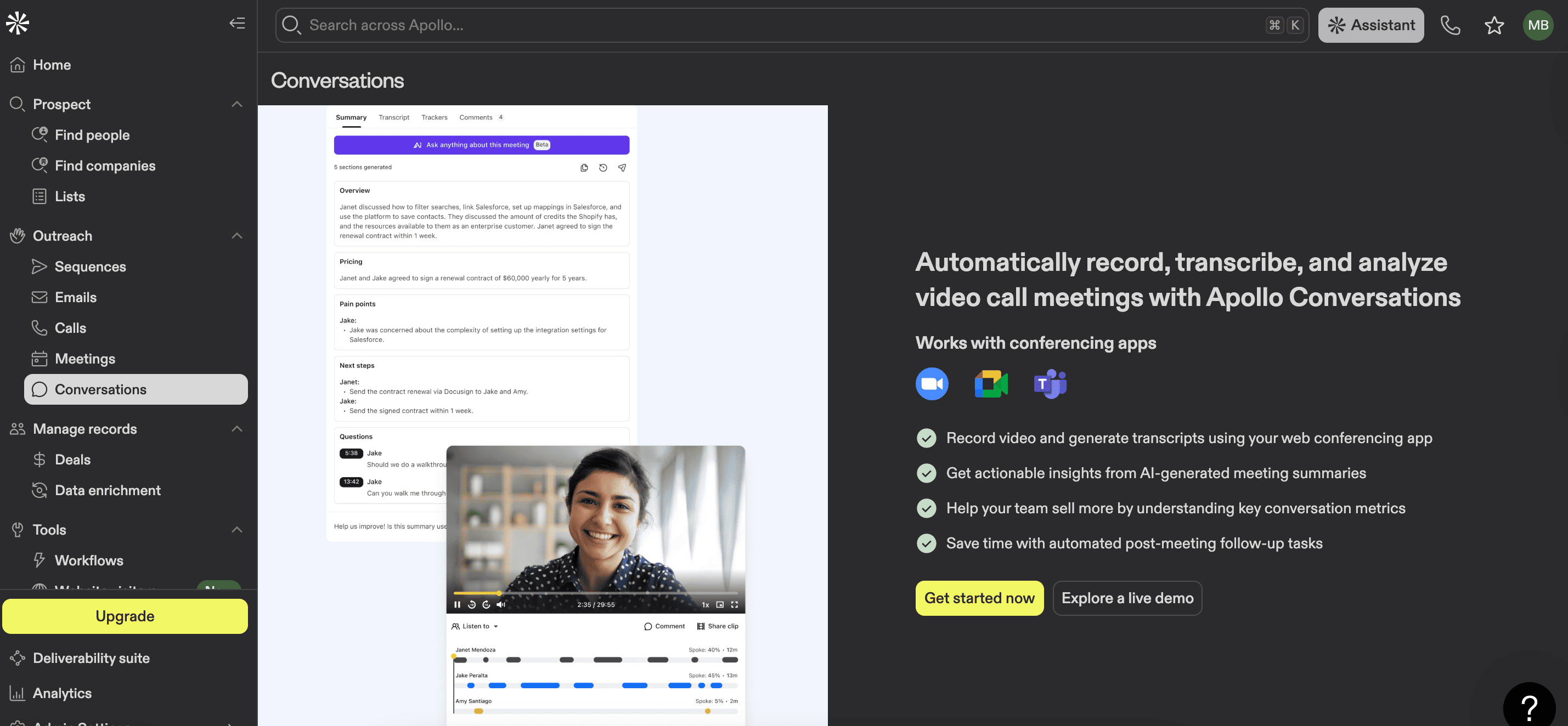
One of the outstanding Apollo.io features is that you can connect to Zoom, Google Meet, or Microsoft Teams to record, transcribe, and analyze your meetings. That can come in handy if your main communication happens through calls.
Ease of Use
Honestly, both sales intelligence tools are easy to use, navigate, and adjust to your needs.
Apollo.io might seem slightly easier to some people because it has all its menus on the left side of the screen, while Snov.io has them spread on top of the page and on the side.
For me personally, it does not make a big difference.
Extensions
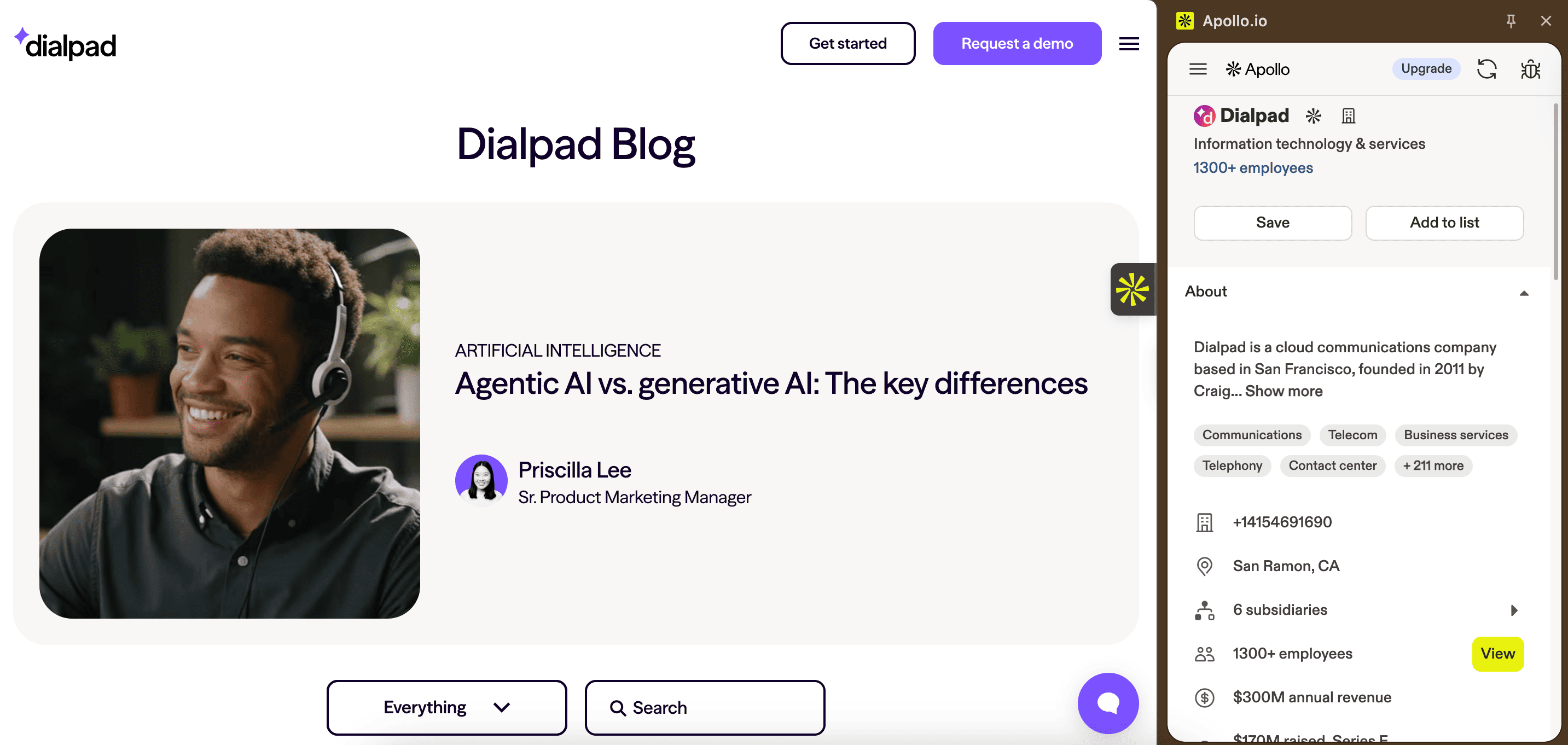
Apollo.io has a free Chrome extension that will collect company information for you, and you can also add it to your company list right from there.
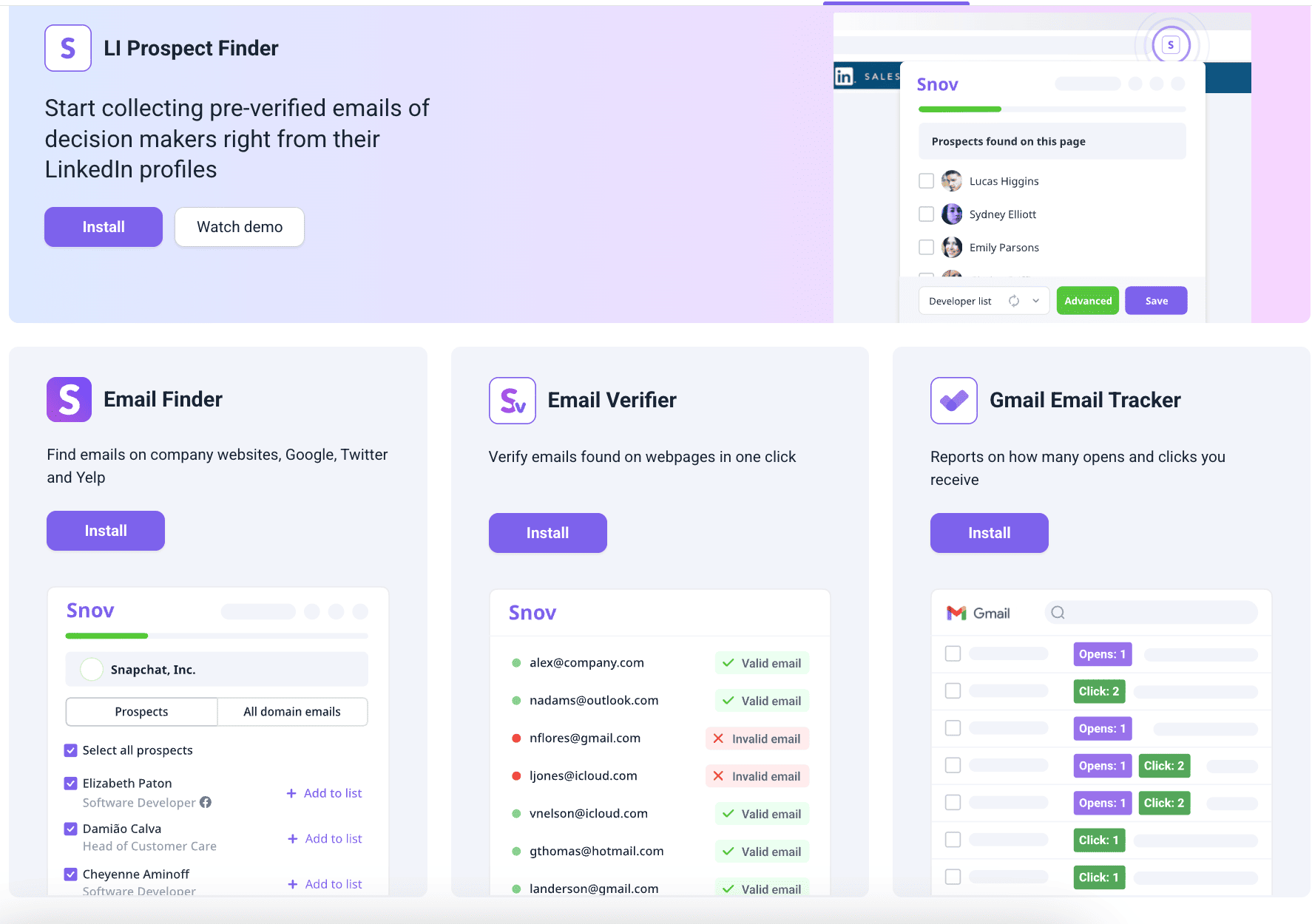
Snov.io has four different extensions: LI Prospect Finder, Email Finder, Email Verifier, and Gmail Email Tracker (it’s my favorite one because it helps you gather analytics even without extra tools). All are helpful and serve different purposes.
Pricing comparison
Both tools have a free version, which, of course, is very limited, but at least that will help you understand whether this platform fits your needs. Now let’s talk about the pricing plans.
Starter: $39/m
Pro: $99/m
Custom: unknown
Basic: $59/m
Professional: $99/m
Organization: $149/m
* The prices I mentioned are monthly prices.
As you can see, the basic version is cheaper with Snov.io, but the professional package costs the same.
Use-case scenarios
I understand that right now it’s probably hard for you to pick the platform that would be more beneficial for you, so I’ll summarize everything that was written above for you.
Choose Apollo.io if:
- You run large B2B campaigns that require a large database with well-filtered contacts
- You need very specific and niche targeting (recent promotion, intent)
- You need strong integrations with CRMs, calendars, and sales tools
- You manage a sales team or multiple campaigns at once
Choose Snov.io if:
- You’re a small business, startup, or solo marketer
- You want an affordable all-in-one tool for lead finding, verification, and outreach
- You mainly run email or LinkedIn campaigns
- You prefer ready-made campaign templates to save setup time
Pros & cons summary
Bottom line: Which one should you choose?
Both Apollo.io and Snov.io are great sales intelligence tools and can help a lot with outreach campaigns, LinkedIn, and email automation. The main difference I see is how big your outreach is and how much control you want to have over it.
I would say if you run large-scale outbound campaigns that need very specific targeting and niche audiences, go with Apollo.io. If you are a relatively small company that needs all-in-one solution to cover lead generation, email verification, and outreach in one place, go with Snov.io.
Remember that you can test both tools on your own to see what fits you best and make your own decision.
FAQs
Is Apollo.io better than Snov.io?
Not necessarily. It depends on your needs. Apollo will be a better option if you run large B2B outreach campaigns that require niche targeting and integrations with additional tools. Snov.io will be a better fit if you are a small company that looks for a simple and affordable all-in-one solution for email automation.
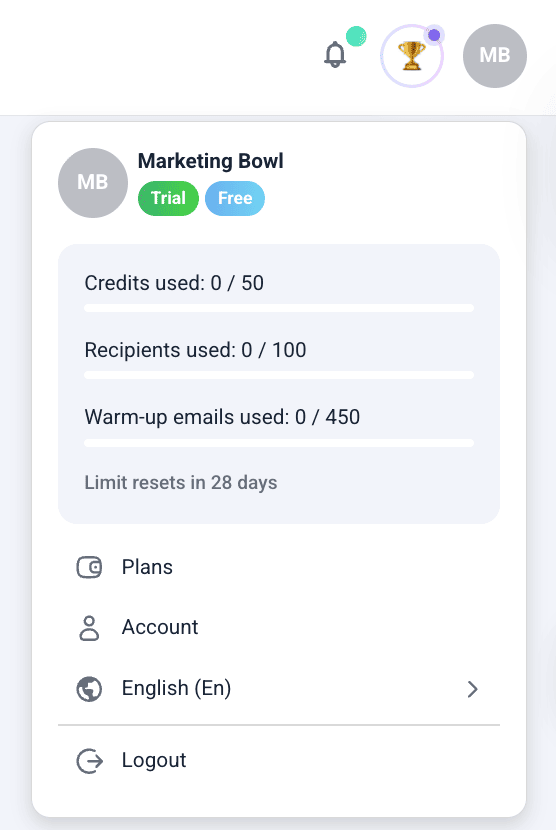
Does Snov.io have a free plan?
Yes, Snov.io offers you 50 credits that you can spend over the months to test platform features. You will also have a limit on recipients and email warm-ups.
Can Apollo replace a CRM?
You can definitely use Apollo as a CRM tool since it has a CRM integration included, but it will not be able to replace all the features that a well-designed CRM like HubSpot could provide.
Disclosure: Some links in this article may be affiliate links. If you choose to make a purchase through them, Your Marketing Bowl may earn a commission at no extra cost to you.
The content on this site is for informational and entertainment purposes only and should not be taken as financial advice. For full details, see the disclaimers section.
The content on this site is for informational and entertainment purposes only and should not be taken as financial advice. For full details, see the disclaimers section.

Hey there! I'm Karina! I love marketing and everything about it. I've been working in marketing in Eastern Europe, Sweden, and now in Santa Barbara, CA. I hope you gonna like it here.



Subscribe for marketing advice
I'd actually give a friend
Join our mailing list and never miss a story.
No AI, no BS!